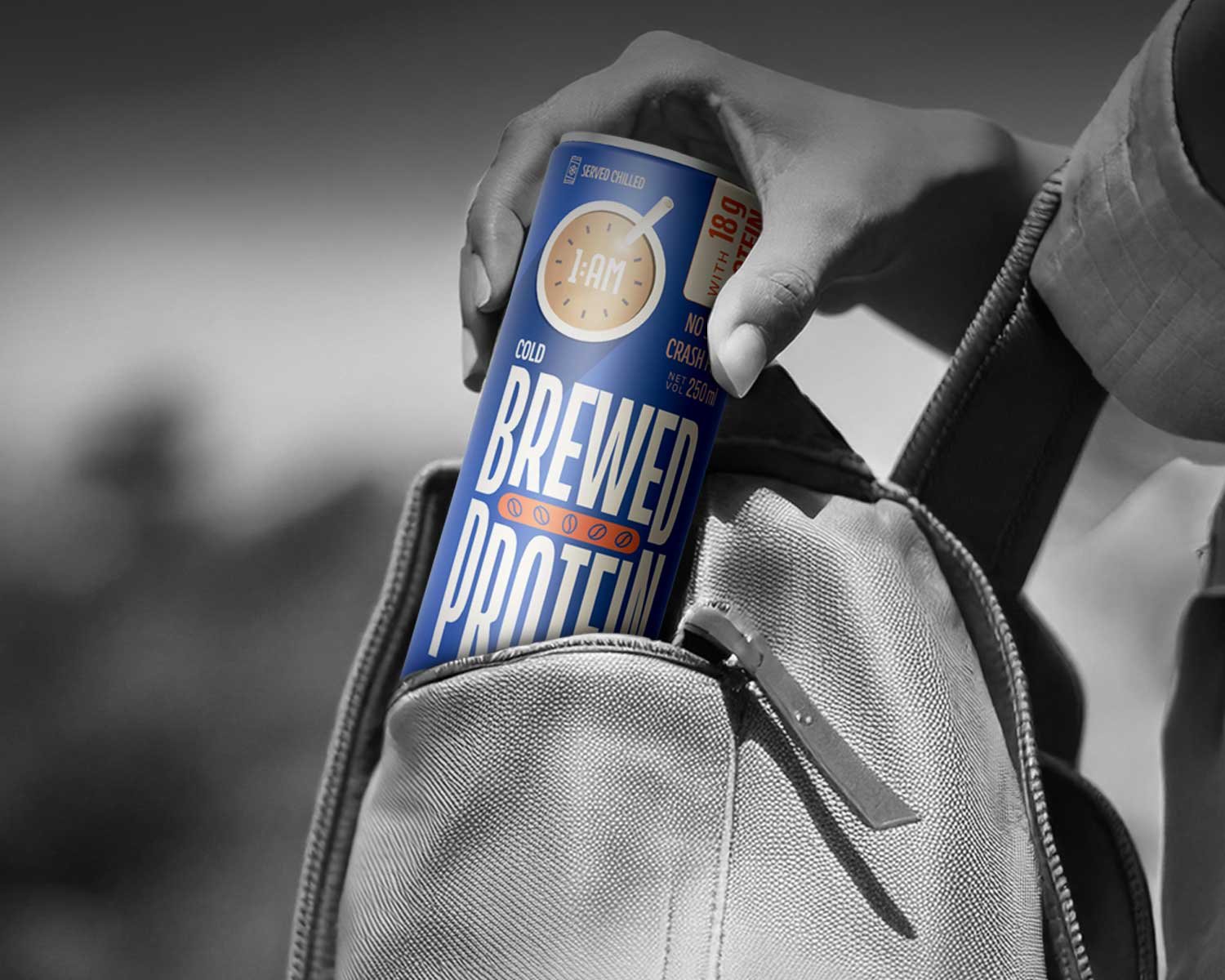
The introduction of protein soda drinks is becoming a new horizon in the high-protein drink industry. They are at the crossroads of refreshment and functionality, which they promise to be popular with the mass market, but they also come with technical risks that traditional protein drinks are not prone to.
Regarding the research and development, protein soda drinks cannot be considered as an extension of flavoured water or protein shakes. They are a structurally different system that would require early feasibility validation, during which production decisions are made first.
MARKET TO FORMULATION
Planning a Protein Soda or Functional Beverage?
Early validation of formulation feasibility, protein stability, and carbonation compatibility
decides whether a beverage survives beyond launch.
Why Protein Soda Drinks Are Technically Unique
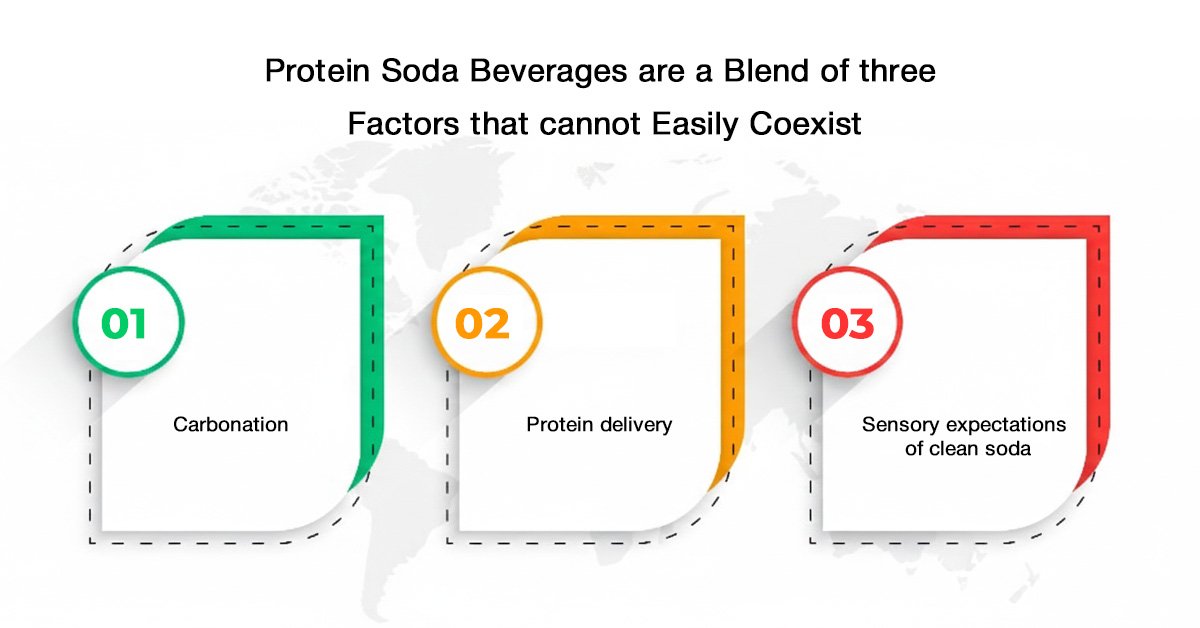
Protein soda beverages are a blend of three factors that cannot easily coexist:
| Core Factor | Technical Implication |
|---|---|
| Carbonation | Pressure, foaming, gas interaction |
| Protein delivery | Low pH solubility and stability |
| Sensory expectations of clean soda | Light mouthfeel, visual clarity |
All these factors act predictably. They pose interaction risks which characterize most protein soda R&D issues when coupled.
Protein Soda Formulation Starts With Protein Selection
Protein soda formulation is inhibited by low pH protein behaviour and carbonation.
Many proteins:
| Protein Behaviour | Resulting Risk |
|---|---|
| Lose acidic insolubility | Instability at low pH |
| Form haze or sediment as time goes by | Shelf-life failure |
| Add bitterness | Sensory rejection |
Poorly selected protein format may render an idea technically invalid, no matter how tasty or marketable the flavour. Screening of proteins at an early stage is thus essential and not optional.
Key Protein Soda R&D Challenges Before Scale
The majority of the protein soda R&D issues become the most frequent long before commercial development:
R&D Challenge | Observed Issue |
|---|---|
| Process control | Foam control |
| Visual stability | Visible movement during storage |
| Sensory performance | Repeated consumption sensory fatigue |
| System interaction | Interaction of proteins and acid with time |
Those problems tend to be overlooked when the development is made on the first-day taste instead of system behaviour.
Manufacturing Reality: Lab Success Is Not Enough
A protein soda manufacturing guide should capture the real conditions of the plants.
Production brings in the variables that include:
| Manufacturing Variable | Associated Risk |
|---|---|
| Mixing shear sensitivity | Protein damage |
| Temperature exposure | Stability loss |
| Filling line foam tolerance | Line rejection |
| CO₂ retention consistency | Mouthfeel inconsistency |
Most ideas on protein soda fail due to manufacturing limits, which are deemed too late, and so they have to reformulate after scale-up efforts.
Shelf-Life Behaviour Defines Commercial Viability
The protein soda drinks should not only be physically stable, but sensorially as well.
With time, the high-protein beverages may undergo:
- Gradual haze development
- Flavour imbalance
- Mouthfeel changes
When shelf-life performance is not proved early, brands will face the risk of post-launch complaints and distrust on the part of the distributor, both expensive to overcome.
Taste Expectations Are Higher Than Protein Shakes
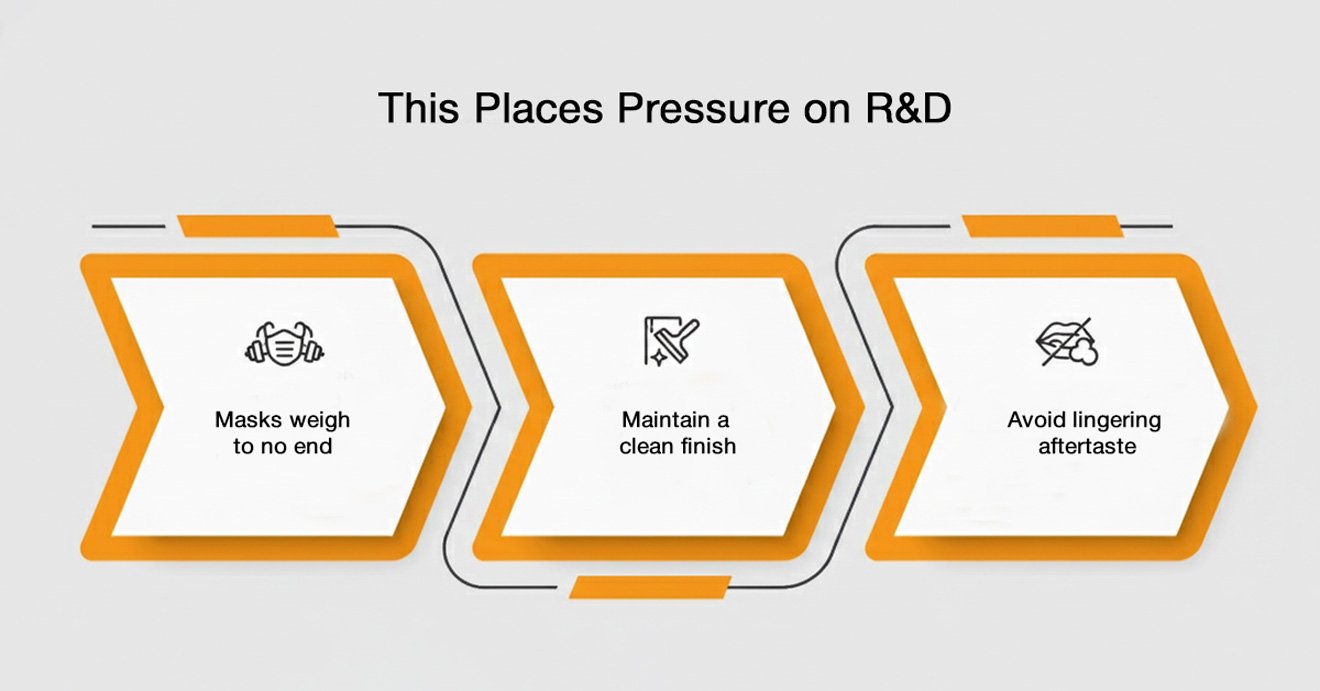
Protein soda drinks are treated at the soda level by the consumers rather than the supplement level.
This places pressure on R&D to:
- Masks weigh to no end
- Maintain a clean finish
- Avoid lingering aftertaste
A protein soda, which is perceived as functional rather than refreshing, will not work well on repeat purchase.
Cost and Feasibility Must Align Early
The cost of formulation is often enhanced by proteins to be carbonated.
The viability of the commerce relies on:
| Cost Driver | Business Impact |
|---|---|
| Achievable protein dose | Margin limitation |
| Sensory tolerance at scale | Reformulation risk |
| Post-processing loss cost per unit | Profit erosion |
A technically successful protein soda with a low margin is not a commercial success.
Regulatory and Label Alignment
Protein soda drinks should conform to:
| Regulatory Area | Risk if Ignored |
|---|---|
| Permissible protein claims | Compliance failure |
| Ingredient usage limits | Reformulation |
| Standards of nutritional labelling | Market withdrawal |
Since protein sodas will be placed as a daily drink in the market, regulatory clarity is more crucial than in sports niche products.
Why Structured R&D Determines Market Readiness
A majority of the failures in protein soda drinks are not an innovation failure; they are an evaluation failure.
In situations where the rush or fragmentation of R&D is observed, the unresolved risks are manifested in the process of scale-up, launch, or initial market response. Organised R&D transforms protein soda into a commercial product out of an experiment.
Protein soda drinks have the advantage of early technical analysis before they are committed to packaging, branding, or commercial rollout. The preliminary evaluation of formulation stability, processing compatibility and shelf-life behaviour is the determining factor in deciding whether a protein soda concept is marketable or needs a refined approach prior to a large amount of resources being invested in it.
Ready to Take Your Protein Soda to Market?
Get expert guidance on protein stability, carbonation compatibility, shelf life, and scale-up readiness.
💬 Chat with a Beverage R&D Expert on WhatsAppRequest a Protein Soda Formulation Review
Related Blogs
Frequently Asked Questions
What are protein soda drinks?
Carbonated beverages are designed to deliver protein in a refreshing format.
Why are protein soda drinks difficult to develop?
Because proteins react strongly to pH, carbonation, and processing stress.
What are common protein soda R&D challenges?
Foaming, instability, taste masking, and shelf-life consistency.
Are protein sodas considered high-protein beverages?
They can be, but protein levels are usually lower than in shakes.
Does carbonation affect protein stability?
Yes, carbonation can amplify instability and bitterness.
Can any protein be used in soda?
No, only specific protein formats work reliably
Why do protein sodas fail during manufacturing?
Lab formulations often ignore real plant constraints.