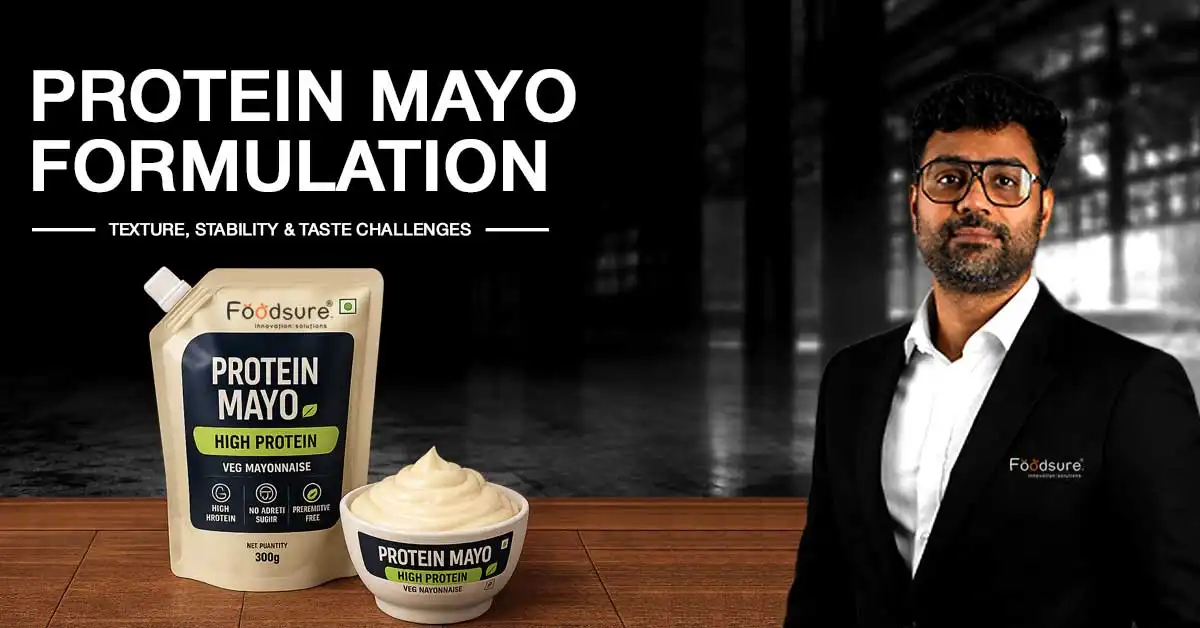
For decades, mayonnaise has been amongst the most popular condiments on account of the delicious flavour it provides upon consumption, the creamy feel and the versatility in preparation. Manufacturers have therefore been encouraged to come up with novel methods through which they can develop high-protein alternatives for traditional mayonnaise to match consumer demands for products suited to their lifestyle. Manufacturers now have the chance to explore protein mayonnaise formulations that will be beneficial to their consumers while still maintaining the taste of the product due to the increased popularity of functional foods. Nevertheless, the development of protein-enhanced mayonnaise is by no means easy.
The challenges are numerous. The main challenges in protein mayo formulation are examined in this article, along with how food inventors might produce goods that meet both sensory and nutritional demands. The demand for high-protein foods continues to grow globally as consumers increasingly prioritise nutrition-focused eating habits. Gen Z and millennial shoppers are particularly interested in products that combine convenience, taste, and functional benefits. As a result, functional condiments are emerging as a promising innovation category within the broader health and wellness food market.
The Reasons Behind the Rise in Protein Mayo Demand
In the last ten years, there have been considerable changes in consumer tastes. Today, taste alone does not satisfy customers anymore, and what they are increasingly seeking are products that help them achieve health-related goals. Among others, the factors fuelling interest in protein mayo formulations include the following:
- Increasing consumption of high-protein diets
- Increasing interest in functional condiments
- Increasing growth of fitness-focused food segments
- Consumer interest in nutrient-rich everyday foods
- Interest in convenient protein intake methods
Every element of the meal must provide additional value over mere nutrition to Gen Zs and millennials. This shift has opened doors to innovation for brands in the condiment segment. The India mayonnaise market was valued at USD 485.08 Million in 2024 and is expected to grow at a CAGR of 7.60% during the forecast period of 2025-2034.
Comprehending the Intricacy of Protein Mayo Production
The signature smoothness and creaminess of regular mayonnaise are mostly determined by an optimal emulsion system, which could be upset if too much protein were added to it. An ideal formulation for protein mayonnaise should ideally meet the following criteria:
- Texture remains creamy and silky
- Stability over the full course of its shelf life
- Provides a good sensory experience and taste profile
- Attains the required levels of protein
- Appealing visual appeal
The key challenge while formulating the product lies in achieving this balance.
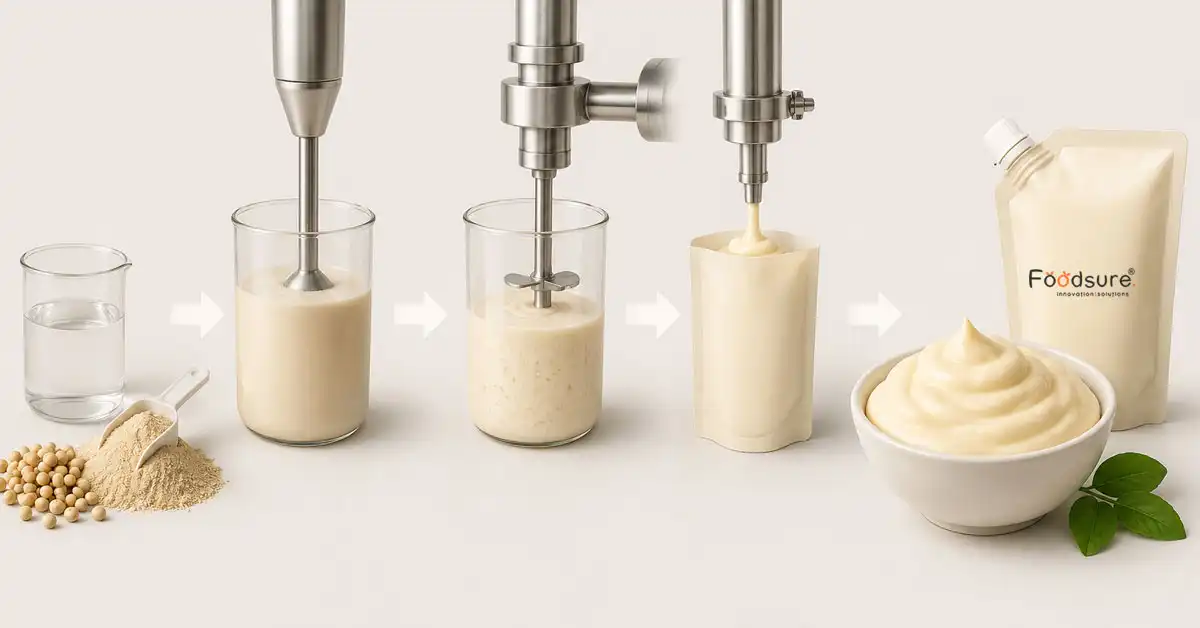
Texture Issues in the Formulation of Protein Mayo
Getting a Creamy Mouthfeel
| Challenge | Impact on Texture |
| Thick & Pasty | Heavy, less creamy mouthfeel |
| Grainy/Chalky | Unpleasant sensory experience |
| Excessive Density | The product feels overly rich and compact |
| Reduced Spreadability | Harder to apply and use |
The apparent benefits in nutrition from protein fortification can be negated by even minor problems with texture. For consumers to purchase and repurchase, the texture needs to stay smooth, creamy, and easily spreadable.
Controlling the Consistency of Viscosity
| Challenge | Impact on Product |
| Over-Thickening | Stiffer texture during storage |
| Batch Variability | Inconsistent product quality |
| Reduced Flow | Poor processing and spreadability |
| Processing Difficulties | Lower manufacturing efficiency |
Both production efficiency and customer happiness depend on consistent viscosity. Uncontrolled viscosity variations can lower product quality, raise manufacturing costs, and detract from the overall dining experience.
Protein Mayo Formulation’s Stability Issues
Instabilities Associated with Emulsion
Considering that mayonnaise is an emulsion, continuous distribution of oil drops is critical in ensuring the stability of this product. Excess protein might affect the stability of the emulsion in different protein mayo composition strategies, thereby increasing the likelihood of the occurrence of the following:
- Oil separation
- Water release
- Emulsion breakdown
- Poor shelf stability
Instability is capable of causing serious implications for customer satisfaction and the quality of products.
Stability over the Product’s Shelf Life
Consumers expect that mayonnaise products will be stable over the shelf life period. Stability characteristics include:
- Consistent color
- Texture uniformity
- Resistance to breaking down
- Consistency in performance in diverse environments
In order to be effective, these properties should persist during both production and consumer usage phases.
Taste Issues with the Formulation of Protein Mayo
Matching the Sensory Experience
The primary consideration when it comes to repeat purchasing remains taste. It is quite common for the taste profile associated with mayonnaise to become a problem in developing protein mayos. Protein enhancement could lead to:
- Bitterness notes
- Astringent sensation
- a feeling of mouth-drying and aftertaste
Should these sensory changes not be properly addressed, they might affect the product’s overall acceptability.
Meeting Consumer Expectations
Consumers make an immediate comparison between regular and protein-added foods. They expect:
- Same creaminess
- Awareness of flavor
- Pleasing mouth-feel
- Familiar dining experience
Despite their additional nutritional values, such products sometimes fail to meet them.
Manufacturing Processing Difficulties
A mere lab prototype may not suffice when considering the manufacture of an edible protein mayo formulation. The manufacturer will have to consider the following:
- uniformity in large-scale manufacturing
- compatibility with machinery
- efficiency in processing
- quality control needs
- shelf-life validation
When moving from idea to commercial scale, several other issues arise that the developer must account for.
Maintaining Consistency in the Product
In order to make a successful product line, consistency becomes paramount. Key factors include:
- consistent texture throughout batches
- Consistent appearance
- Predictable behaviour in processing
- Consistent sensory quality
Even small inconsistencies may affect consumer perception.
Market Success and Consumer Acceptance
A protein mayo formula that is scientifically successful should also be consumer-orientated. Modern consumers judge products in terms of the following:
- Taste and Texture
- Nutritional value
- Ingredients transparency
- Brand credibility
The products that effectively blend protein-enriched formula with superb sensory qualities have better chances to succeed in the competitive functional foods industry.
Gen Z Consumer Demands
Gen Z consumers affect future food trends, particularly. These consumers usually prioritise the following:
- Protein diet
- Meal solutions
- Functional benefits
- Real brand story
- A food adventure worthy of social media publication
For Gen Z consumers, protein mayo belongs to a category of lifestyle products rather than condiments.
Prospects for Protein Mayo Formulation in the Future
The growing demand for functional foods is creating substantial opportunities for innovation in protein mayo formulation. Among new opportunities are:
- Sport Nutrition applications
- Healthy snack classifications
- Meal possibilities
- Luxury condiment innovations
- Wellness-oriented food products
Firms that manage to solve the problems associated with taste, consistency, and stability will definitely be well placed to satisfy increased customer demands.
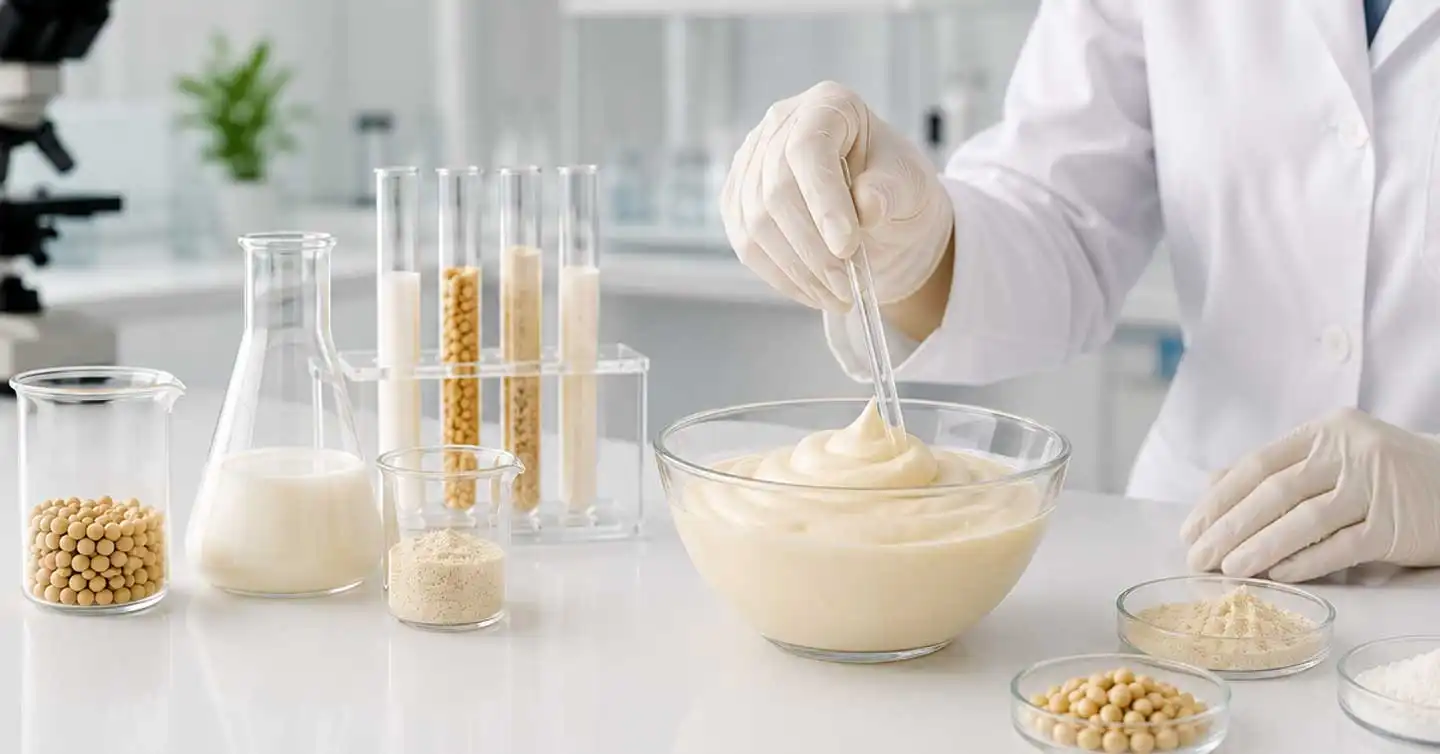
New Developments in the Formulation of Protein Mayo
Several themes are influencing the future of protein mayo formulation and opening up new avenues for innovation as consumer expectations continue to change.
| Trend | Market Impact |
| Clean-Label Development | Growing demand for transparency and ingredient simplicity |
| Functional Food Innovation | Everyday condiments delivering added nutritional benefits |
| Premium Wellness Products | Increased interest in nutrition-focused premium foods |
| Sports Nutrition Applications | Convenient protein solutions for active lifestyles |
| Personalised Nutrition Trends | Products tailored to specific dietary and wellness goals |
These new developments demonstrate how protein mayo formulation is moving beyond conventional condiments, giving companies the chance to adapt to shifting customer demands and spur innovation in the functional food industry.
Conclusion
As more people look for healthier choices of food products, protein mayo formulation is predicted to emerge as a significant field of innovation within the condiment sector.
High-Protein Mayo: Texture, Stability & Taste Challenges
Develop high-protein mayonnaise formulations with the right balance of creamy texture, emulsion stability, and consumer-preferred taste. Foodsure supports ingredient selection, protein fortification, process optimization, shelf-life improvement, and regulatory compliance to create market-ready high-protein mayo products for health-conscious consumers.
FAQS
Does Mayo contain any protein?
Yes, there is some small protein content in mayo due to proteins coming from various egg ingredients.
Is Mayo a high-protein product?
No, regular mayonnaise is not considered a protein-rich food.
How much protein does mayo contain?
In most regular mayos available in the market, there is less than one gram of protein in each serving.
Why do customers prefer protein mayo more and more?
People need functional foods providing good taste, convenient use, and high nutritional value.
What differentiates protein mayonnaise from regular mayonnaise?
Protein mayonnaise is specifically produced to provide extra protein without reducing the delicious taste or creamy texture.
What are the greatest difficulties in making protein mayonnaise?
Formulation challenges include issues with consistency, stability, taste, and shelf-life.