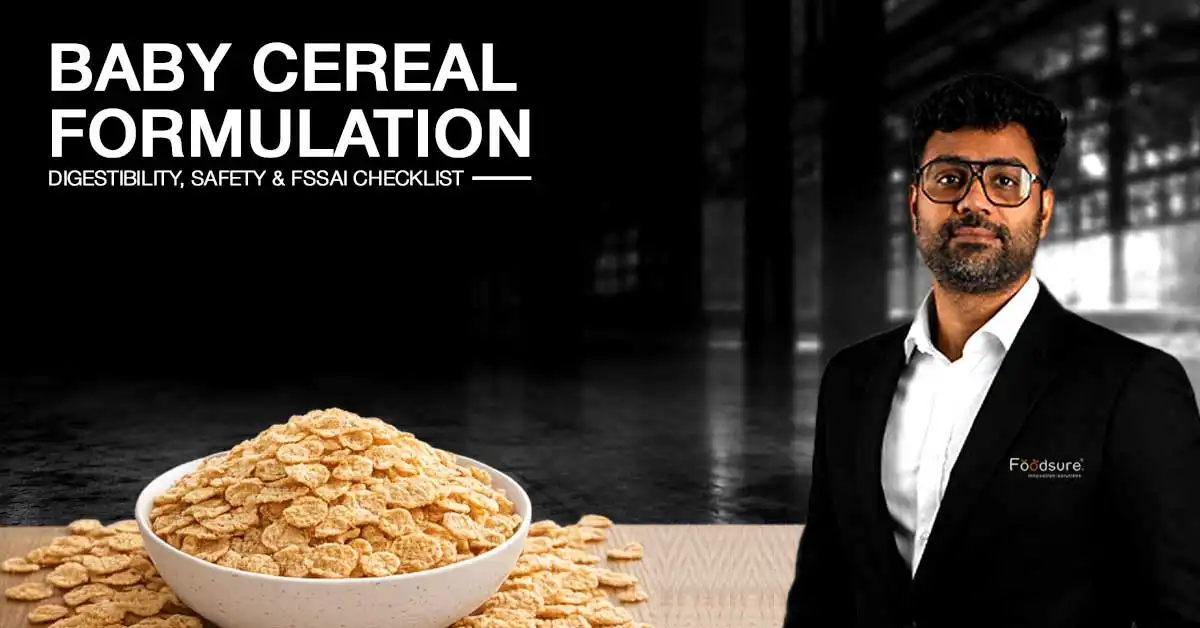
The infant nutrition sector is experiencing rapid growth as more parents seek scientifically formulated foods that support healthy development during infancy. Among the most popular complementary foods are baby cereals, which are easy to digest, nutrient-rich, and suitable for introduction after breastfeeding. As parents gain more information about child nutrition, there is an increased focus from the manufacturing companies on developing better and safer baby cereals.
Contemporary consumers require their baby foods to offer much more than just basic nutrients. Parents need baby food with essential nutrients, healthy and clean label ingredients, appropriate texture, and reliable safety standards. It follows that the need for cutting-edge baby cereals formulation keeps increasing among both domestic and international consumer bases. However, the development of an effective baby cereal formulation goes beyond mixing cereal flours and vitamins together. One needs to pay considerable attention to such aspects as digestion issues, bioavailability of nutrients, microorganisms safety, potential allergens, texturization, product shelf life, and legislation compliance. Every single step must be properly studied and scientifically justified in order to obtain a safe and healthy baby food product.
Here at Foodsure, our mission is to help food companies create superior baby cereal products with the aid of baby cereal formulation techniques backed by scientific research.
What is Baby Cereal Formulation
Cereal-based baby food formula is the creation of cereal products for consumption by infants and small children based on scientific principles.
Baby cereal formulations aim at producing:
- Easy digestibility
- Age-appropriate nutrition
- Safe ingredient systems
- Smooth texture
- Micronutrient fortification
- Shelf-life stability
- Regulatory compliance
- Consumer acceptance
The challenge involved is to produce cereals that will deliver nutritional benefits without compromising safety and digestibility.
Why Baby Cereals Continue to Grow in Demand
The awareness among parents about optimal nutrition in the early years is increasing.
Key Consumer Trends
| Consumer Need | Market Opportunity |
| Infant Nutrition | Very High |
| Digestive Health | Very High |
| Immunity Support | High |
| Clean Label Products | Growing |
| Fortified Nutrition | High |
| Convenience Foods | Growing |
Scientifically designed baby food formula can address these needs of consumers while ensuring your child grows up well. The global Baby Cereal market size is expected to reach 21.17 USD billion in 2025, while it is anticipated to reach 30.5 USD billion by 2035, registering a CAGR of 3.72%.
Understanding Parent Psychology in Baby Food Selection
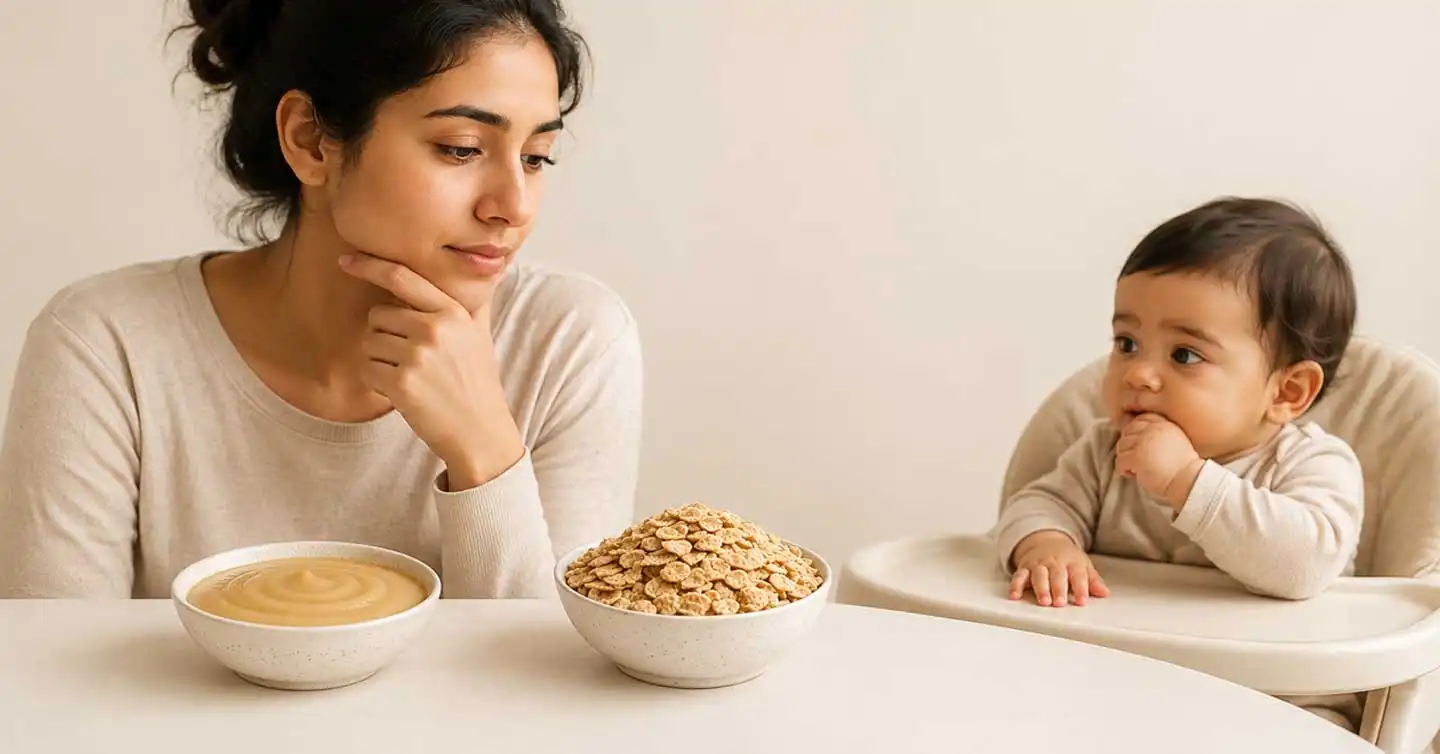
Parents are the main stakeholders in the nutrition of their babies, and they judge the nutritive food for infants not only by the nutrition provided but also through the feeling of trust towards the product. Today’s parents are looking for products that will help their child grow healthy and strong.
Key Factors Influencing Parent Purchasing Decisions
- Ingredient transparency
- Proven product safety
- Nutritional adequacy
- Digestive comfort
- Pediatrician recommendations
- Regulatory compliance
- Brand credibility
- Clean-label ingredients
Good nutritional and emotional development depends on the scientifically formulated baby cereal, for it must fulfil the developmental needs of babies as well as their psychological requirements.
Why Cereals Are an Ideal Base for Infant Nutrition
Cereal grains are an ideal base for product fortification and dietary enrichment programmes.
Benefits of Baby Cereals
- Easy to digest
- Suitable for complementary feeding
- Cost-effective nutrition
- Flexible ingredient combinations
- Supports fortification
- Mild flavor profile
- Convenient preparation
- High consumer acceptance
This is why cereals are a great choice for a new baby cereal formulation.
Understanding the Product Development Process
Foodsure Development Process
Developing infant cereal products requires a highly structured research and development approach.
Market Research
↓
Consumer Insights
↓
Nutritional Requirement Assessment
↓
Ingredient Selection
↓
Laboratory Trials
↓
Digestibility Evaluation
↓
Texture Optimization
↓
Safety Validation
↓
Shelf-Life Studies
↓
Commercial Scale-Up
Baby food industry professionals recommend using a systematic approach to create a baby food formulation as it reduces the risk.
Selecting the Right Cereal Base
The choice of cereal grains significantly influences the nutritional value, digestibility, and texture of the final product.
Common Cereal Ingredients
| Ingredient | Functional Role |
| Rice | Easy digestibility |
| Oats | Fibre source |
| Wheat | Texture development |
| Ragi | Calcium source |
| Barley | Nutritional enrichment |
| Corn | Energy source |
Every successful baby cereal recipe starts with its cereal base.
Digestibility: The Most Important Requirement
Digestibility is one of the key criteria when developing food for babies.
Factors Affecting Digestibility
- Starch composition
- Particle size
- Processing conditions
- Cooking characteristics
- Fibre content
- Protein source selection
Digestibility is a critical consideration when formulating cereals for infants with developing digestive systems.
Nutritional Fortification Strategies
Baby cereals may be fortified to enhance development and support overall well-being.
Common Fortification Nutrients
| Nutrient | Function |
| Iron | Cognitive development |
| Calcium | Bone growth |
| Zinc | Immune support |
| Vitamin D | Calcium utilization |
| Vitamin A | Vision development |
| B Vitamins | Energy metabolism |
Fortification is a very important aspect of modern baby cereals.
Protein Optimization
Protein allows the baby to grow new tissues.
Common Protein Sources
| Protein Source | Application |
| Milk Proteins | Infant cereals |
| Whey Proteins | Improved digestibility |
| Soy Protein | Specialized formulations |
| Pea Protein | Plant-based products |
| Rice Protein | Hypoallergenic applications |
Optimising the amount of protein added to infant cereal for digestibility and consumer acceptability.
Texture Development Challenges
Texture is a key factor for successful infant feeding and acceptance.
Desired Texture Characteristics
- Smooth consistency
- Easy swallowing
- No lump formation
- Uniform hydration
- Controlled viscosity
- Pleasant mouthfeel
Common Texture Problems
| Problem | Cause |
| Lumping | Poor instantization |
| Excess Thickness | High solids |
| Thin Consistency | Insufficient starch |
| Grittiness | Large particles |
| Poor Dispersion | Inadequate processing |
Every baby cereal requires a fine balance in textures.
Safety: The Highest Priority
Safety standards for baby foods have to be extremely high.
Major Safety Considerations
- Raw material quality
- Microbiological safety
- Heavy metal control
- Allergen management
- Process hygiene
- Packaging integrity
- Contaminant monitoring
Food safety is the most significant factor in baby cereal development.
FSSAI Compliance Checklist
Any manufacturer is required to abide by relevant Indian food legislation.
Key FSSAI Considerations
| Requirement | Importance |
| Approved Ingredients | High |
| Nutritional Standards | High |
| Fortification Limits | High |
| Labeling Compliance | High |
| Safety Parameters | High |
| Quality Specifications | High |
All baby cereals in the marketplace should be examined by a government agency.
Micronutrient Stability Challenges
These nutrients may also be destroyed or lost during production or as the products age.
Factors Affecting Stability
- Heat exposure
- Moisture content
- Oxygen exposure
- Packaging quality
- Storage conditions
- Ingredient interactions
Appropriate stabilization measures help achieve effective preparation of infant cereal.
Clean Label Opportunities
Parents are increasingly opting for recognisable, straightforward ingredients.
Clean Label Ingredients
- Rice flour
- Oat flour
- Ragi flour
- Milk solids
- Fruit powders
- Natural flavors
The clean label formulation of a baby cereal could position the product and create consumer loyalty.
Shelf-Life Considerations
In the market, it’s essential to store your product well to keep its quality.
Key Parameters
| Parameter | Impact |
| Moisture Control | Product stability |
| Oxidation Resistance | Flavor retention |
| Packaging Quality | Shelf life |
| Nutrient Retention | Nutrition |
| Water Activity | Microbial safety |
All baby cereals must pass a complete shelf life study.
Common Formulation Mistakes
We see a lot of avoidable difficulties during various projects.
Frequent Errors
- Excessive fortification
- Poor digestibility testing
- Inadequate safety validation
- Weak texture optimization
- Insufficient shelf-life studies
- Improper ingredient selection
The successful production of baby cereal greatly benefits from the avoidance of such problems.
Commercial Scale-Up Considerations
A product is never proven successful when it shows itself only in the laboratory.
Critical Scale-Up Parameters
| Parameter | Importance |
| Mixing Consistency | High |
| Nutrient Uniformity | High |
| Process Validation | High |
| Packaging Validation | High |
| Shelf-Life Verification | High |
If developing baby cereal products, plans to scale them should be factored in from the start of the formulation process.
Future Trends in Baby Nutrition and Consumer Behavior
The scientific progress and trends of parents’ habits would create the future trend for infant nutrition.
Emerging Market Trends
- Personalized infant nutrition
- Clean-label baby foods
- Digestive health-focused formulations
- Reduced sugar products
- Functional nutrition ingredients
- Organic ingredient adoption
- Increased regulatory scrutiny
- Science-backed product claims
The infant nutrition industry is at an interesting junction as global changes continue. Moving forward, baby cereal formulations will be a product of integration between nutrition, safety, digestibility, and psychology, producing the most progressive of new infant nutrition options.
Role of Foodsure in Baby Cereal Development
Foodsure delivers baby cereal production support at all stages from product ideation to launch.
What We Are Offering
- Baby Cereal Formulation
- Digestibility Optimization
- Nutritional Fortification
- Safety Assessment
- FSSAI Compliance Support
- Texture Development
- Shelf-Life Studies
- Clean Label Product Development
- Commercial Scale-Up Support
- Product Commercialization Consulting
Our science-based formulations help brands minimise their risk and expedite their launch time in the market.
Conclusion
There are many opportunities arising because of the increasing interest in the proper feeding of infants in scientifically formulated cereals. In developing effective baby cereals, one should strive to achieve digestibility, adequate nutritional value, safety, palatability, and regulatory standards. For the successful development of baby cereal products, the selection of raw materials, process validation, texture optimization, and safety evaluation are crucial.
As more awareness is raised regarding consumer knowledge, the formulation strategies for baby cereals will become increasingly important when creating a product that is safe, nutritional, and convenient for infants. The most successful brands within this market will be those who invest in research and development.
FAQs
What is baby cereal formulation?
Baby cereal formulation is the scientific development of cereal-based foods designed specifically for infants and young children, focusing on nutrition, digestibility, safety, and stability.
Why is digestibility important in baby cereals?
Infants have developing digestive systems, making easy digestion essential for nutrient absorption and feeding comfort.
Which cereals are commonly used in baby cereal products?
Rice, oats, ragi, wheat, barley, and corn are commonly used in baby cereal formulation.
Why is FSSAI compliance important for baby foods?
FSSAI compliance helps ensure products meet safety, quality, labeling, and nutritional requirements before market launch.
How do manufacturers improve the safety of baby cereals?
Manufacturers implement strict raw material controls, hygiene practices, contaminant monitoring, microbiological testing, and packaging validation to ensure product safety.