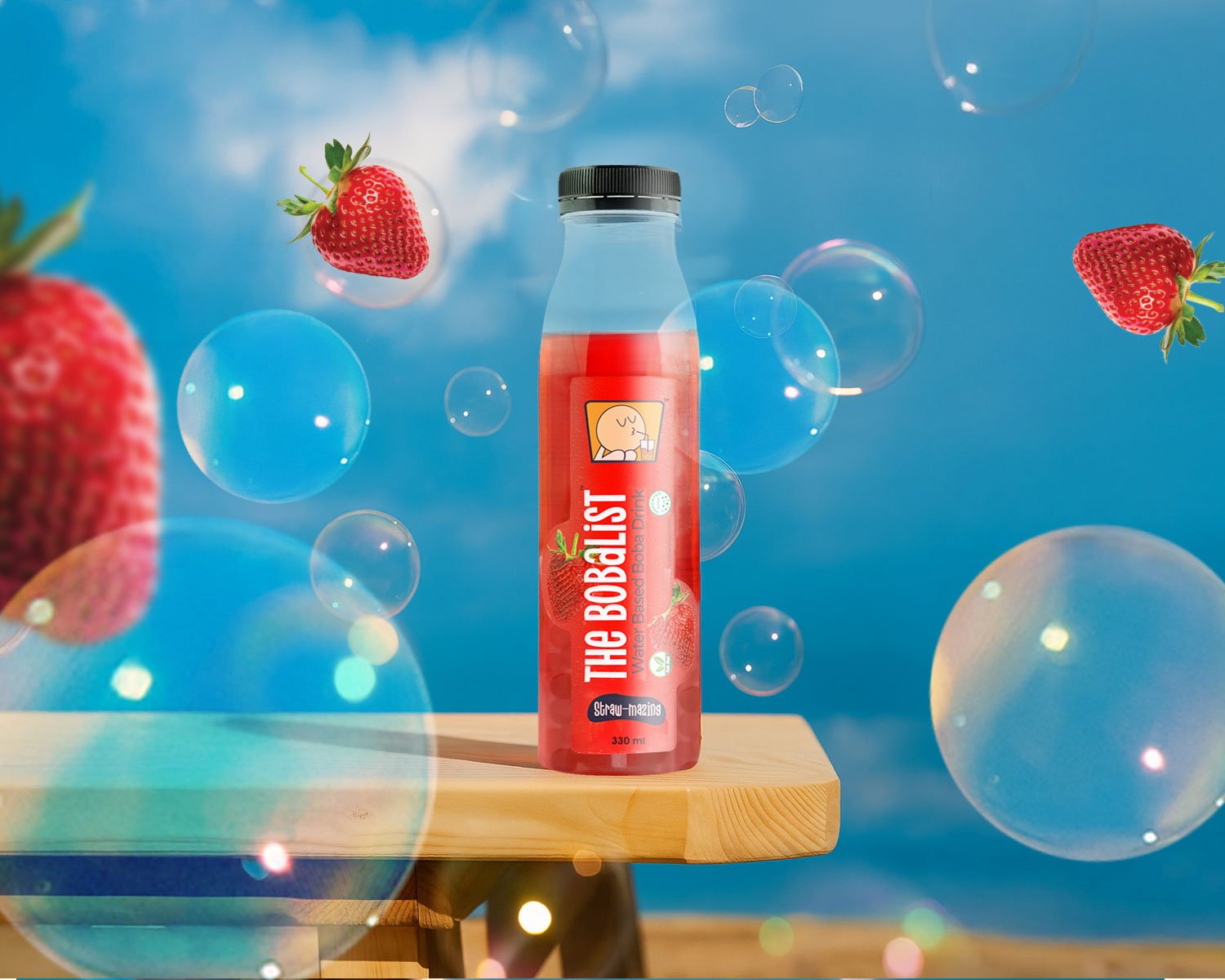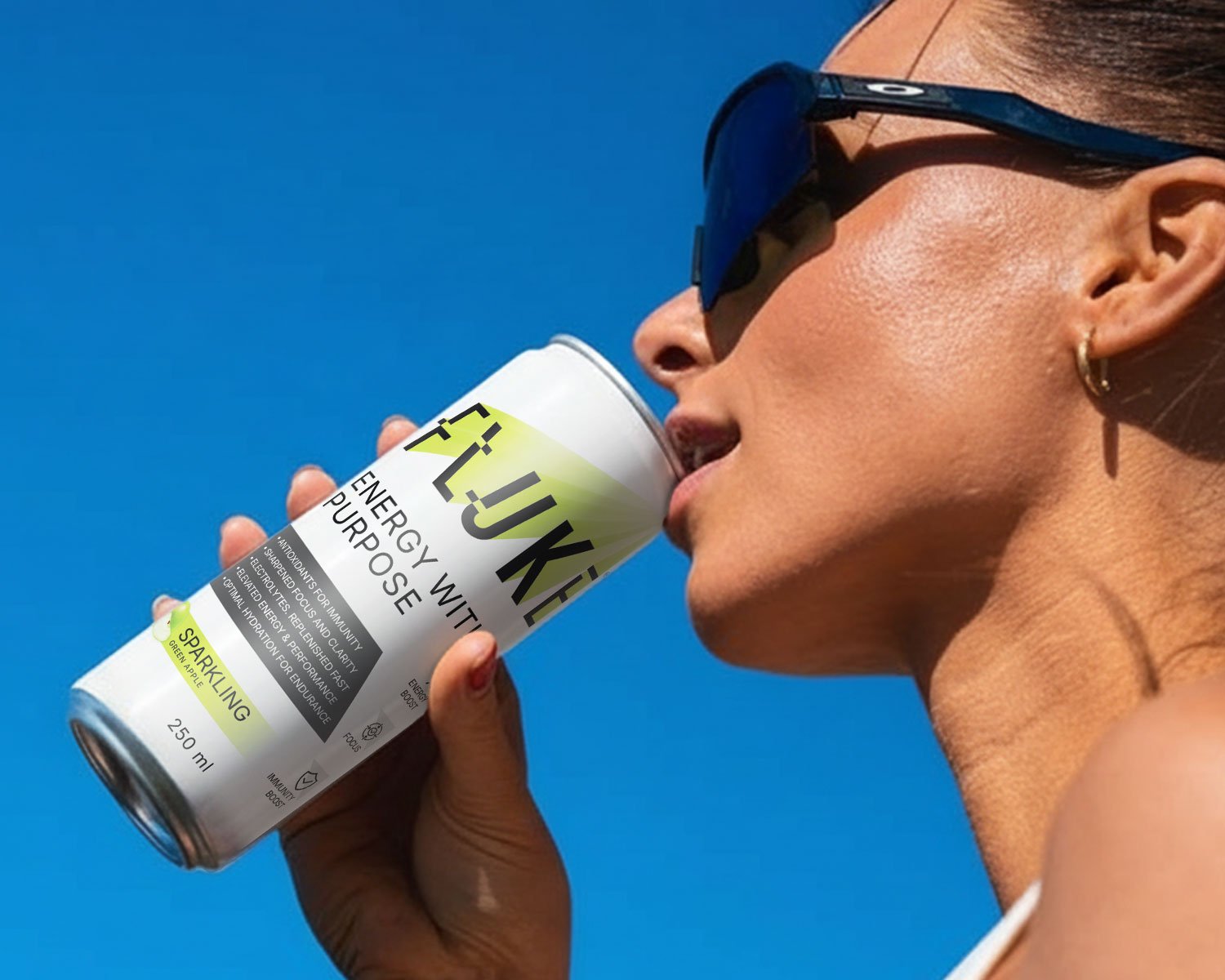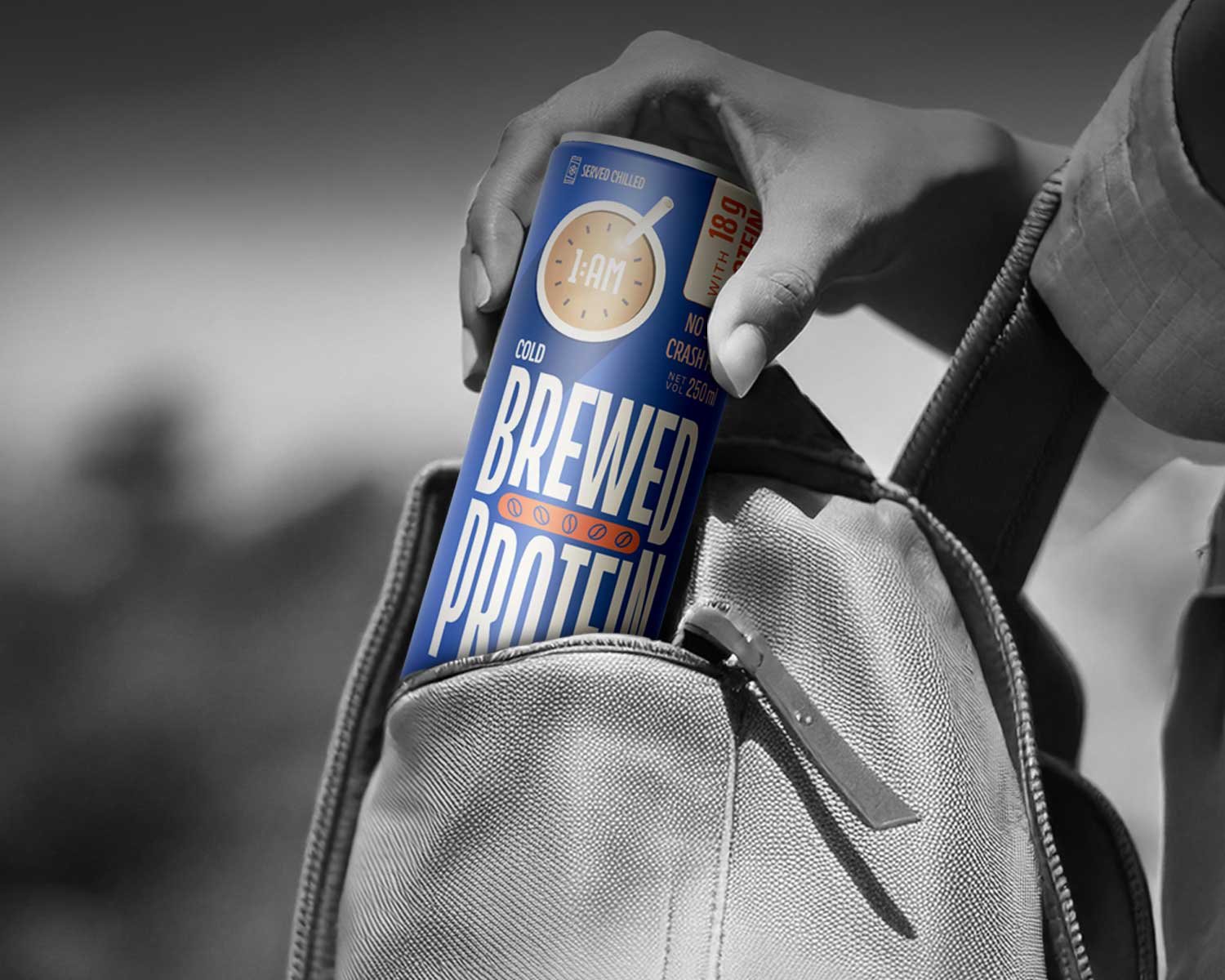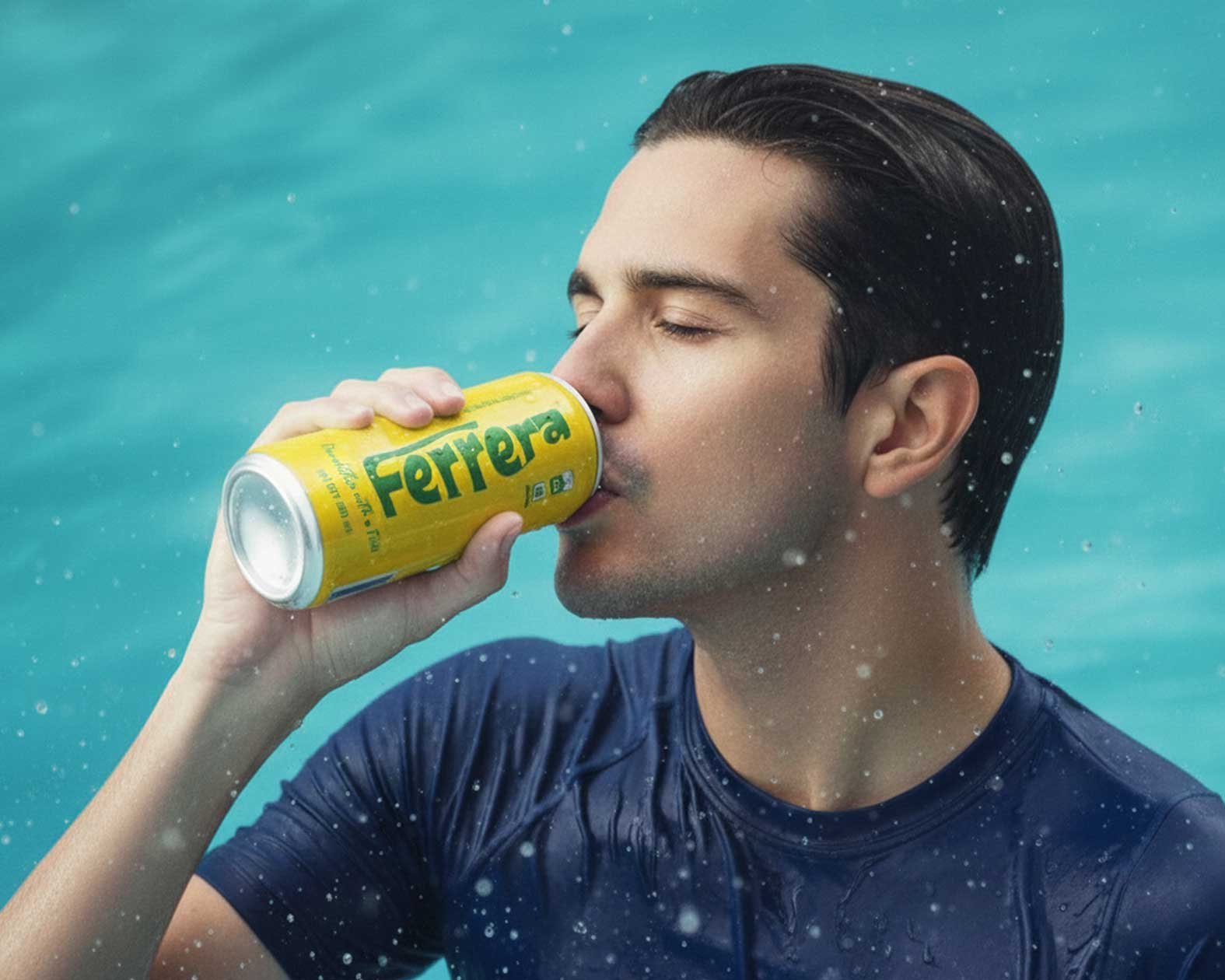
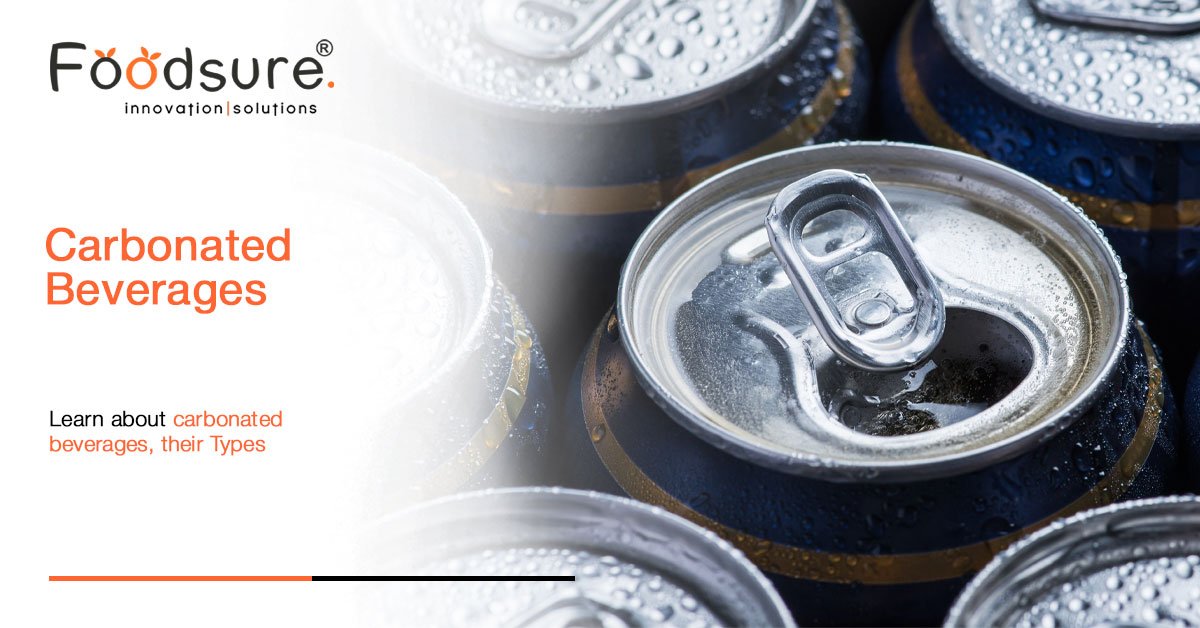
Have you ever opened a cool bottle of bubbles on a hot Indian summer day, and you can feel the immediate bubbles dancing on your tongue? Aerated drinks, also known as fizzy drinks, make millions of people in India have the irresistible crunch of carbonation, sweet-tangy flavor and instant coolness that beats the heat.
- Sensory Explosion: Autonomous sensory meridian response (ASMR), like tingles are generated by the bubbles, expelling CO2, causing bubbles, giving the mouth a fizzy feel that enhances satisfaction and dopamine release.
- Emotional Escape: Carbonated beverages provide immediate thirst quenching and nostalgic flavours with childhood pleasures in the bustling lives.
- Social Magnet: They are consumed at parties, they build relationships, but how do carbonated drinks in India do this?
Wonder how the carbonated beverage was made?
FROM FORMULATION TO FIZZ STABILITY
Planning to Launch a Carbonated Beverage?
Carbonation levels, pH balance, Brix control, shelf-life stability, FSSAI compliance — every detail impacts taste and scalability. Foodsure helps brands build stable, market-ready aerated drinks.
Common Issues in Carbonated Beverage Manufacturing Process
Starting a carbonated beverage company in India?
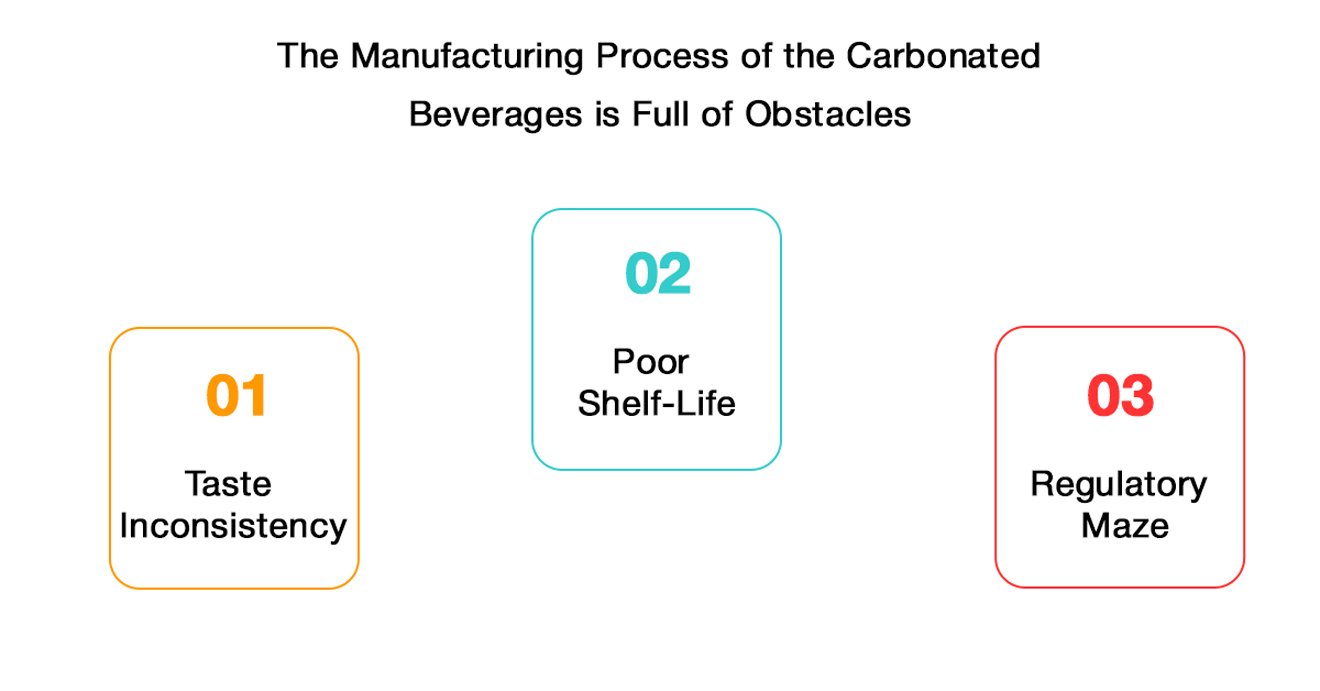
The manufacturing process of the carbonated beverages is full of obstacles that can explode your dreams.
- Taste Inconsistency: It is difficult to balance flavours in the formulation of carbonated drinks in India because sugar syrups and acids differ between local sourcing, which disrupts batch homogeneity.
- Poor Shelf-Life: CO2 escapes quickly without sealing the aerated beverages well in humid weather.
- Regulatory Maze: FSSAI compliance requires prohibitive testing, spiking of small founders in the pursuit of scale.
Why Fizzy Drinks Lose Taste and Stability
Even small imbalances in the process of producing the carbonated beverage become great problems for Indian startups.
- Ingredient Ratios Gone Awry: The formulation of carbonated drinks in India is based on the correct 10-12% sugar syrup, 0.3-0.5% citric acid, and flavour essences, but unfortunately, seasonal sourcing of fruits changes pH, making the taste of batches different.
- Carbonation Instability: High-pressure CO2 (35 volumes) is lost through imperfect PET closures or temperature spikes, defizzing aerated drinks in a short time.
- The Climate and storage problems in India: The high temperatures (40 °C) of India make it faster for microbes; it reduces shelf-life to just a few weeks; they expect to have the consistent fizz, yet cold chains do not stand up.
- Business Pressures: Requirement of FSSAI-approved labs is a scaling necessity, which increases the cost by 20-30 % of compliance in the face of unstable costs of raw materials.
Pain Points in Carbonated Drinks Formulation in India
- Volumes of lab recipes to commercial carbonated beverage manufacturing process flavours.
- Formulation of the carbonated drinks by balancing the sweetness, tang and fizz in India.
- Hurdling FSSAI regulatory compliance and never-ending audits.
- Reducing 15-20% wastage in humid storage.
- Covering of PET bottles in order to seal in CO2 without leaks.
Obtaining regular supplies in a volatile supply chain.
Core Components of Carbonated Beverage Formulation
Carbonated drinks, such as soda pop, such as cola or lemon soda, are nothing but water, to which the bubbles are added to make it very fun and refreshing.
Main ingredients include:
- Plain water (90%+ base)
- Sweeteners, such as sugar or syrup, to induce that sweet
- Flavours (essences of fruit) and acids (such as citric) to make it tangy
- Conservatives want to make the fizzy drinks stay longer
Carbonation, Carbon dioxide (CO2) gas is added into the mix by pumping it. Unscrew the bottle, the pressure decreases, and CO2 forms little bubbles; the carbonated beverages produce the famous fizz that tickles your tongue and chills you immediately.
Classification of Carbonated Drinks
Carbonated beverages are available in various varieties, and each one of them is developed using specialised carbonated drinks production to meet the preferences and requirements. Here’s a breakdown:
| Type | Description | Examples |
| Soft Drinks | Sweetened carbonated beverages with fruity or cola flavours | Cola, Lemon-Lime, Orange Soda |
| Tonic / Club Soda | Low-sugar or sugar-free carbonated mixers, sometimes flavoured with quinine. | Schweppes Tonic, Soda Water |
| Energy Drinks | Carbonated beverages are enhanced with caffeine, vitamins, and stimulants. | Red Bull, Monster |
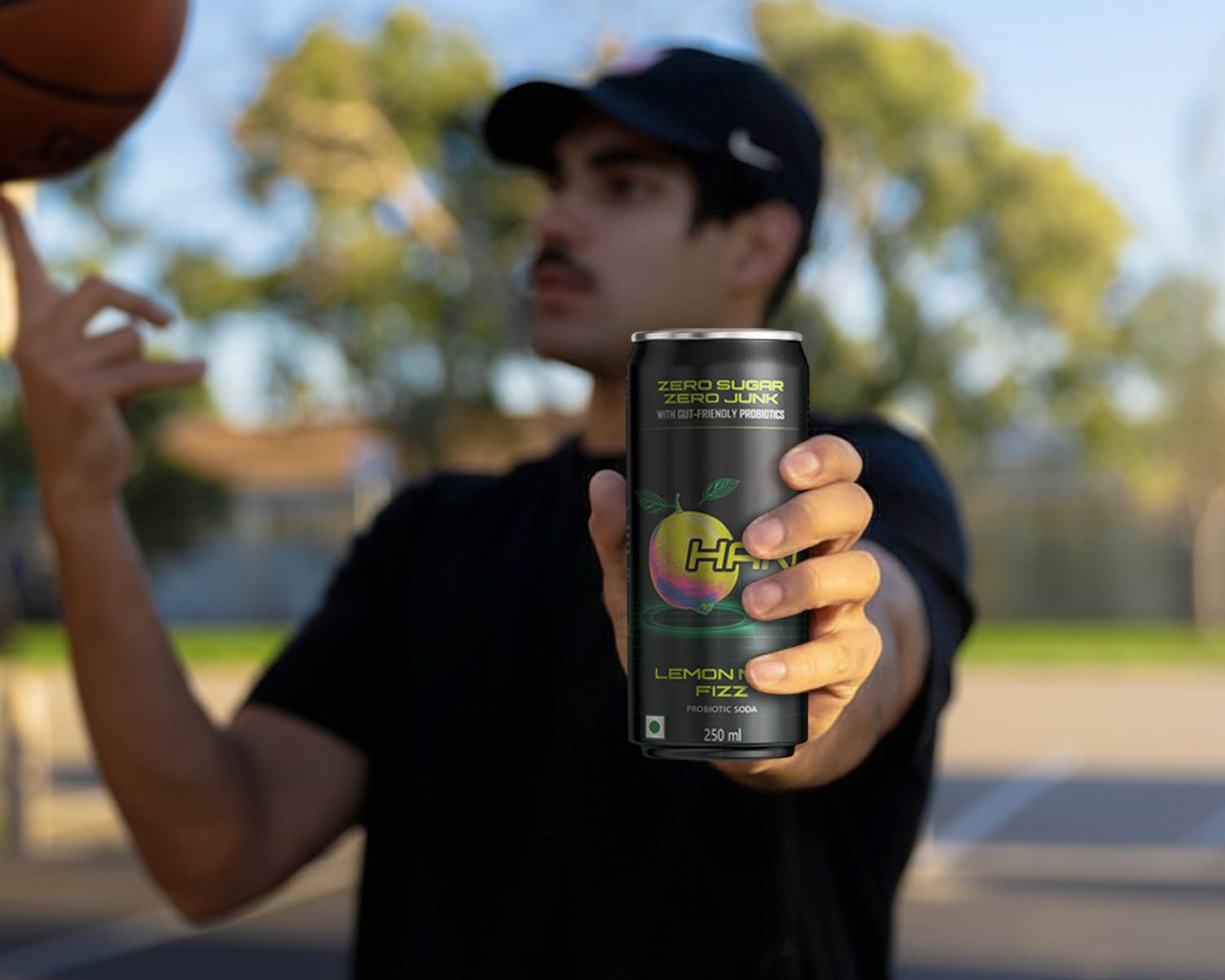
| Functional Carbonates | Carbonated drinks are infused with health-focused ingredients like probiotics or electrolytes. | Kombucha Soda, Vitamin Water |
Ranging from traditional colas to new functional drinks, the drink development in India under carbonated drinks adapts to local tastes, such as jeera or aam panna, to gain a competitive advantage.
Carbonated Beverage Manufacturing Process
The operation of the carbonated beverages production transforms the basic materials into mass fizzy drinks. Precision in carbonated drinks formulation in India guarantees taste and safety.
Key steps:
| Step | Description |
| 1. Water Treatment | Purify via filtration/UV to remove impurities, base for 90%+ of the drink. |
| 2. Syrup Preparation | Mix sweeteners (10-12% sugar), acids, flavours, and preservatives into the syrup. |
| 3. Carbonation | Inject CO₂ gas at 3-5 volumes under 4-6 bar pressure for lasting fizz. |
| 4. Mixing & Blending | Combine syrup (1:5 ratio) with carbonated water; agitate gently. |
| 5. Filling & Packaging | Auto-fill PET/glass bottles, cap at high speed; pasteurise for stability. |
| 6. Quality Control | Test pH (3.5-4.2), Brix (sweetness), microbes; reject off-spec batches. |
| 7. Distribution | Chill and ship in a cold chain to preserve shelf-life (6-12 months). |
Important: CO2 levels make it impossible to be flat; in case of poor sealing, it will spoil 20%.
Proven Strategies for Carbonated Beverages Success
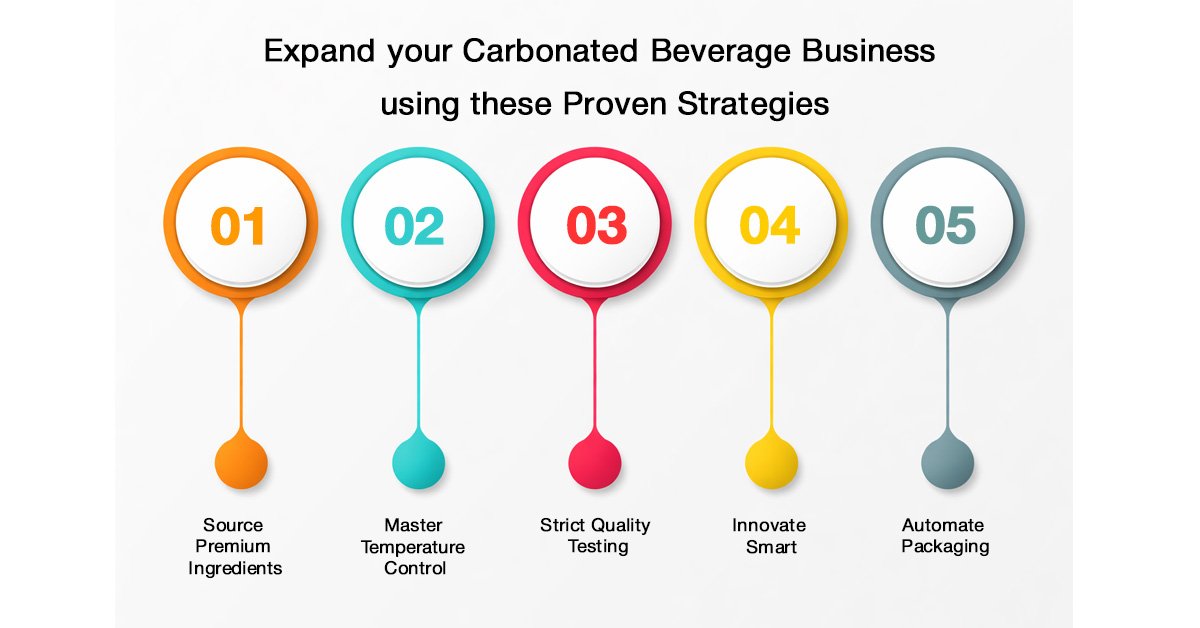
Expand your carbonated beverage business using these proven strategies in the process of manufacturing your carbonated drinks:
- Source Premium Ingredients: Work with the same supplier to maintain ratios of syrup- lessens taste variation by 30%.
- Master Temperature Control: Continue mixing at 4-10 °C and store chilled to lock in CO2 and increase shelf-life.
- Strict Quality Testing: PH/Brix/microbial measurement every day guarantees compliance with the FSSAI and no recalls.
- Innovate Smart: Introduce a low-sugar or functional aerated beverage (e.g., jeera-probiotic) to capitalise on the health trends in India.
- Automate Packaging: Inline fillers are used to reduce wastage and increase production 5 times.
Consistency wins markets.
Partnering with Foodsure for Carbonated Drinks Success
Has trouble with the formulation of carbonated drinks in India?
Foodsure will come as your co-pilot.
We develop accurate recipes, translate laboratory concepts into commercial-scale manufacturing process runs of carbonated beverages, and deal with FSSAI compliance, including syrup blending to CO2 stability testing.
Founders enjoy uniform quality, reduce wastage by a quarter and roll out faster.
Ready to fizz up your startup?
Founder Takeaway
Be perfect with carbonated drinks by nailing science (CO2 balance, pH 3.5-4.2), flavour harmony and uncompromising quality-control compliance is not an option.
The Indian market desires low sugar and functional fizzy beverages, such as the herbal tonic drinks. Be radical, collaborate intelligently, and grow without corruption. Your breakthrough soda is coming; begin to make it today!
Engage Foodsure in the customisation of carbonated beverages, scaling, and compliance in India. Boost your success with us,
Ready to Develop Your Own Carbonated Drink?
From syrup systems to carbonation optimization and FSSAI-ready documentation — let’s build your beverage the right way.
Related Blogs
- Carbonated vs Non-Carbonated Functional Drinks
- Zero-Calorie Beverage Formulation
- Functional Beverage Ingredients Guide
- Beverage Shelf Life Study Explained
- Drink Formulation Cost Breakdown
- Beverage Manufacturing SOP
FAQs
How does the process of manufacturing the carbonated beverages look?
It commences with the pure water, syrup blending (sugar/flavours), carbonation (3-5 volumes), blending, filling and quality controls- purified water in carbonated beverages formulation in India.
Why is it that fizzy drinks are flat after a short time?
The inadequate sealing or heat causes the escaping of CO2; storage at 4-10 °C and accurate pressure (4-6 bar) production will stabilise the bubbles in the aerated drinks.
Balance in taste in carbonated drinks?
Goal of 10-12% sugars syrup, pH 3.5-4.2 using citric acid, and measure Brix. In constant sourcing, off-flavours are eliminated in commercial scaling.
What are the relevant regulatory challenges in India?
FSSAI requires microbial testing, labeling and restrictions on additives- non-conformity is punished by recalls. Collaborate on batches certified by the laboratory.
Are there low-sugar carbonated drinks available in the market that are made by startups?
Yes, add mammograms and functional add-ins such as electrolytes. The development of carbonated drinks is based on the trends in health.
What can be done to minimise production spoilage?
Pasteurise after filling, cold-chain distribution, and contaminants QC, and reduce wastage by 20-30%.
What’s Foodsure’s role in this?
They deal with formulation, scaling, and compliance and assist the founders in launching quality aerated beverages in a fast manner.