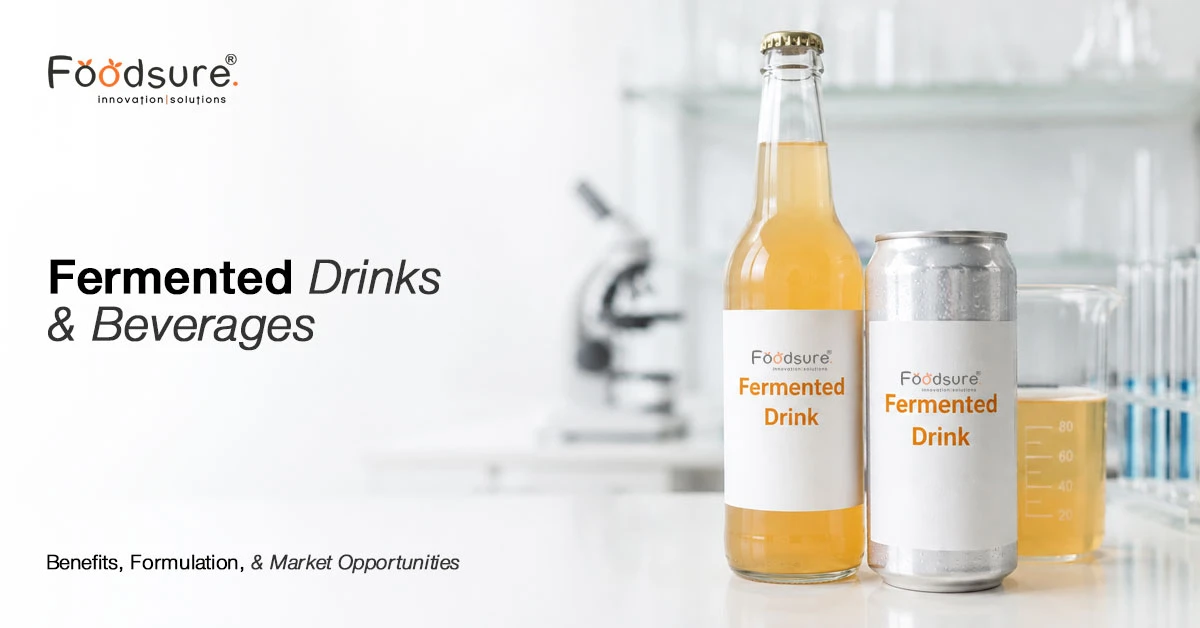
The Indian beverage industry is going through this kind of remarkable change, like it’s shifting gears without asking. People are getting more aware of what they actually drink, and they want products that do more than just be a quick refreshment. So instead of leaning on high-sugar carbonated drinks, there’s a noticeable push toward beverages that bring both great taste and functional perks. Because of that, fermented drinks have been gaining serious momentum; they are becoming one of the fastest-growing categories in the food-and-beverage space.
This is mostly being fueled by a mix of better awareness for digestive wellness, a strong preference for clean-label products, and those new, innovative ingredients. As a result, beverage brands are putting money into fermented Drinks that are scientifically developed. From old-school dairy-based options to newer plant alternatives, the whole category is spreading quickly across retail shelves, as well as food service channels.
Right now, consumers are checking out quite a range of fermented beverages, like
- Fermented Drinks
- Fermented Fruit Drink
- Fermented Probiotic Drink
- Fermented Tea Drink
- Kombucha
- Water Kefir
- Functional Dairy Drinks
- Fermented Coconut Drink
- Fermented Honey Drink
- Fermented Pineapple Drinks
- Fermented Rice Drink
- Fermented Beet Drink
- Fermented Corn Drink
And as innovation keeps moving, brands are stitching together advanced recipe formulation services with scientific study and real consumer insights. That way they can launch beverages that match the changing expectations in the market while still keeping quality, safety, and regulatory compliance in place, all the time.
What Exactly Are Fermented Drinks?
Fermentation is often misunderstood, which makes many ask what fermented drinks are or what fermentation is. Fermentation is a biological operation wherein selected microorganisms, like lactic-acid bacteria and yeasts, through a series of enzymatic transformations, break down and convert natural sugars to organic acids, alcohols, or other metabolites, which help create the characteristic flavour and the stability of the product. At the same time, this fermentation results in the production of metabolites and other active agents which may be used either to add a specific character to the product or be a part of food technology innovations. A typical example is the development of sour beer, through which beer is made sour through fermentation.
A fermented drink is a beverage made by fermentation, i.e., the fermentation process is under control and production conditions are monitored. Based on the product, these may include living cultures, probiotics, and postbiotics, or may simply derive the benefits from the fermentation process. In fact, the exact makeup depends on several factors like product objectives, manufacturing techniques, and the applicable laws.
The use of fermentation biotechnology has become a major tool for producing modern beverages; i.e., these drinks are a unique combination of taste, health benefits, and convenience. From milk-based drinks to fruit drinks and beyond, including non-vegetarian plant-based alternatives, formulation through science can be important in achieving consistent and high-quality results.
Certain things for commercial beverage companies go beyond fermentation, such as ingredient compatibility studies, process optimization, microbiological validation, Shelf Life Testing, packaging evaluation, and FSSAI compliance, after which they enter the market for sales.
Global Fermented Beverage Categories
| Category | Example |
| Probiotic Dairy Drink | Yakult |
| Cultured Dairy Beverage | Mother Dairy cultured beverages |
| Kombucha | Fermented tea |
| Water Kefir | Fermented water beverage |
| Drinking Yogurt | Cultured dairy |
| Fermented Plant Beverage | Oat, soy, almond fermentation |
Why Are Fermented Drinks Growing?
Consumer preferences are changing rapidly, and health-conscious lifestyles are influencing beverage purchasing decisions. People are actively searching for products that offer a combination of enjoyable flavours, innovative ingredient profiles, and modern processing techniques.
- Increasing awareness of digestive wellness
- Demand for reduced-sugar beverages
- Interest in functional ingredients
- Premium beverage experiences
- Clean-label product positioning
- Convenient ready-to-drink formats
- Expansion of plant-based beverage categories
- Growing acceptance of fermented food recipe traditions in modern formats
Consumers are also increasingly intrigued by the taste of fermented drinks that can range from sweet and fresh to tangily good, according to ingredients, fermentation methods, and processing. This wide range of tastes allows manufacturers to make products that meet the needs and expectations of their various target groups within the market.
Popular Fermented Drinks in Today’s Era
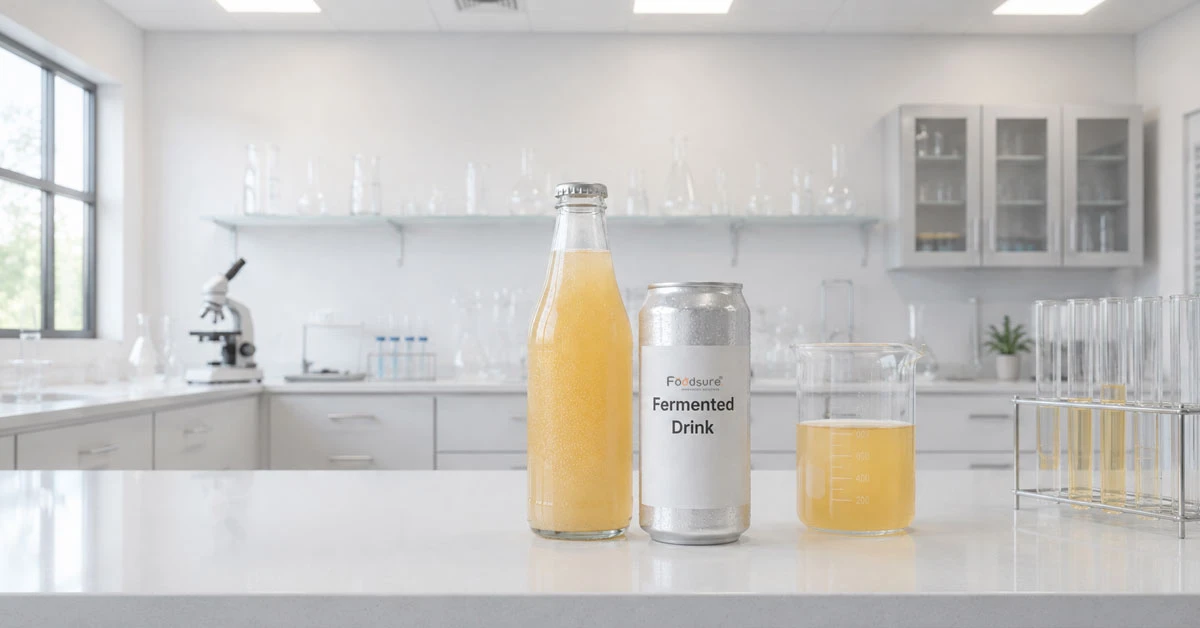
Fermentation has long been an integral part of food and drink cultures worldwide. In recent times, the combination of time-honoured recipes with modern beverage development methods has resulted in many fermented drinks offered in stores worldwide. This knowledge of the different fermented drinks can be really helpful for beverage brands to uncover new product ideas and to come up with beverages that cater for every kind and type of consumer.
Kombucha
Kombucha is a fermented tea drink, made by fermenting sweetened tea together with the symbiotic culture of Bacteria and Yeast (SCOBY). It is known for its light and refreshing taste with mild acidic undertones, and has become a fast-growing functional beverage segment in global markets.
Water Kefir
Water kefir is a light, delicious drink obtained through the fermentation of sugar water with kefir grains. Being a substitute for dairy products, it’s loved by a lot of people and is also highly adaptable to various flavorings, thus providing excellent opportunities for flavor novelty.
Kefir Yogurt
Often called kefir yogurt, this type of milk drink is made with the help of beneficial bacterial cultures and yeast. It has the honor of being the most popular fermented dairy beverage in global markets since its inception.
Fermented Fruit Drinks
A Fermented fruit beverage combines fruits with controlled fermentation techniques to yield unique taste characteristics and a quality drinking experience in a beverage. Pineapple berries, mango, and citrus are among the fruits frequently used in the making of such commercial products.
Fermented Coconut Drink
The beverage made from coconut water or milk is an interesting category in itself, offering refreshing beverage ideas appealing to tropical and plant-based alternative consumers.
Fermented Rice Drink
Traditional fermented rice drinks are popular across Asian countries and have a rich history. These fermented drinks inspired modern beverage innovations today.
Fermented Honey Drink
Fermented honey drinks typically take honey as the main ingredient to produce naturally inspired beverages with unique sweetness and layers of flavor.
Fermented Beet Drink
Fermented beet drink recipes with their striking color and original tasting flavor have made them one of the top choices among specialty beverage concepts.
Fermented Corn Drink
Generations of people in different cultures have enjoyed fermented corn drinks, and in recent times they have been studied for possible commercial product innovations and have also been put forth in commercialization opportunities.
The variety of different fermented drinks is a testament to fermentation being a process that can transform and be reinterpreted from different materials, cultures, and consumers’ preferences, leading to unlimited possibilities of new types of drinks that can be created with fermentation technology.
Benefits of Fermented Drinks
A major cause of the rapid development of Fermented Beverages is consumers’ evolving preferences with higher expectations for products that deliver great taste and at the same time are processed in innovative ways. It can safely be said that through controlled fermentation, each fermented drink is unique, and this feature allows for the creation of various products that cater to today’s increasingly demanding beverage consumers.
The leading factors explaining why Fermented Drinks are getting a lot of attention nowadays are:
Enhanced Flavour Development
The fermentation process leads to the formation of flavour compounds that are not present in the original raw ingredients, thereby making the beverage very different in taste from the base material. Flavours of such drinks may be slightly sweet and fruity, pleasant and refreshing, or even sour and tangy, all given the ingredients and method of fermentation.
Product Innovation Opportunities
Via fermentation, beverage producers may work with fruit, vegetable,e dairy, grain ingredients and even plant-based materials to bring about beverage creations that can work as a brand differentiator in the market.
Reduced Sugar Potential
A part of the available sugars can be utilized by appropriate microorganisms during fermentations. Formulators can This way produce beverage products with reduced sugar content that are not only sweet but also have a satisfactory tasting experience.
Premium Consumer Appeal
Consumers have been increasingly perceiving a fermentation link as synonymous with the concepts of quality, skill, and creativity. Thanks to this perception, the products can be placed in the category of premium beverages by brands while also attracting value-driven customers.
Versatility Across Beverage Categories
Fermentation can be used for dairy drinks, fresh-squeezed fruit drinks, drinks based on tea, drinks made out of coconut water, products based on oat, and various other drinks made from plants. It can, so give producers an excellent option to create diverse new products.
Improved Product Differentiation
There is no doubt that the beverage sector is getting ever more saturated, so the introduction of fermentation gives companies a chance to manufacture products that have distinctive taste components, processing techniques, and functional characteristics.
Supports Beverage Innovation
The field of fermentation biotechnology has been growing steadily, opening up lots of prospects for beverage designers so that they can produce products that will not only satisfy a wide variety of consumer desires but also be commercially viable.
The market for Fermented Drinks is expected to keep growing steadily as consumers are turning to premium and functional beverages that offer both health benefits and a delightful taste experience. This trend will continue and will likely position Fermented Drinks as a leading segment of the beverage scene that keeps pushing the boundaries of innovation.
Gen Z Consumption Patterns and Preferences
India’s kombucha market is growing at a brisk pace, mainly because of a consumer demand shift toward products that have functional ingredients, are low-sugar, and support digestion. Young consumers, mostly Millennials, Generation Z, urban health-conscious individuals who seek low-sugar alternatives, and people mainly focused on digestive wellness, are the demand drivers as per IMARC Group’s findings. It has also mentioned that India’s Gen Z population is about 377 million, a significant figure considering that it is one of the fastest-growing young consumer bases in the world. This combination of factors is providing a very solid foundation for kombucha brands that make accurate functional claims, have flavors that are well-aligned with culture, and employ contemporary marketing strategies.
Market Drivers
- Youth trendsetting: Millennials and Gen Z are the main ones driving discovery and trying out new products. These groups have higher amounts of disposable income, and they tend to have a greater interest in new things and are quite active on social media. The result is that they are the most natural early adopters and promoters of kombucha.
- Consumers who care about health when going for food in cities: These people want things on the food label to be short and clean (no lengthy lists of ingredients or chemicals); they go for real, natural stuff, and are attracted by additional functions, like being probiotic and supporting digestion. Such buyers are loyal ones and buy mostly through premium and modern trade routes for repeat purchases.
- Preference for low-sugar options: The rising awareness about health and the problems one can have with diabetes and obesity have led shoppers to look away from sugar-laden drinks towards low-sugar or sugar-free alternatives. Being a drink with less added sugar than most other sugary beverages, kombucha is a good option for them and, because of this a real competitor for such customers.
- Interest in digestive wellness: Kombucha is known for its combination of live probiotic cultures and organic acids which appeal to consumers who are keen on getting the health of their gut to a higher level and they regularly combine Ayurvedic and Western views on health to look for a solution that covers all needs.
- Consumer Base and Market Division Gen Z population in India: Since the country has approximately 377 million Gen Z people and as young, fashion-conscious, and experience-oriented buyers who value novelty, a lot, Gen Z consumers represent a huge international market segment with great potential to deliver sales results for the brands.
- Market segments overlap: Millennials and Gen Z start trends, urban health-conscious buyers keep customers, low-sugar consumers, and digestive-health consumers are the functional rationales that push purchasing even beyond the novelty factor.
Channel and marketing implications
- Distribution focus: We found that premium supermarkets, modern retail, specialty cafes, and e-commerce platforms are best for converting products through sales Mainly in cities where most people are.
- Product’s message and design: To increase credibility among buyers who understand the product, transparency like probiotic numbers, amount of sugar per serving, fermentation details would be very helpful for building trust. The text should be straightforward and accurate for functional claims.
- Targeting consumers: Influencer content, sustainability message, viral videos and attractive, instagram-ready packaging are among the main strategies to reach young consumers like Gen Z and the millennials.
Product and formulation
- SKUs to focus on for low sugar: We recommend to go for a formulation that has minimum sugar or even has natural sweeteners like sugar cane or stevia that can attract those who are on a diet or health-oriented buyer.
- Flavor strategy: Mix the flavor profiles which are popular across the world (like berry flavors) and the flavors of Indian origin (ginger, lemon, masala, and chai-like blends) to widen your customer base. The product will be of high quality and will not be spoiled for a long time, as it is packed under strict conditions and will not get spoiled easily.
- Regulated by the standards: Regulation under FSSAI: Understand the guidelines that FSSAI has given when it comes to fermented drinks, ensure that your claims are permissible and that you do not overstate probiotic or functional benefits without sufficient proof.
- Labeling: Indicate the amount of sugar contained, the sources of the ingredients, and the proper way of storing to satisfy the rules of the government and your customers at the same time.
Opportunities for growth
- Pricing and reach: You will reach more people from smaller and less developed cities if you can make the products cheaper while not compromising on quality.
- Local contacts and allies: By working with local distributors, cafes, and retail chains that are not very well known nationally, companies will be able to speedily cover the territory that the market does not touch except in the bigger towns.
- Product range & packaging for different health goals: Variants with health benefits (immunity energy, digestive blends, etc) and eco-friendly packaging help create brands more than usual. India’s kombucha market is a result of different things like younger people doing new things, health care being important for people in cities, dietary trends of low sugar, and the growing interest in the importance of gut health. If a company can create a product that functions well, tastes nice at the same time, and is in line with what they sell, the product will be able to grab this huge opportunity.
The market will expand from the city center, where most people are already aware of these brands and the price will be low enough for a large number of people, to the more spread-out and remote areas as the brand gains attention, price is adjusted, and it will be easier to get the product delivered.
Top Fermented Drinks Trends for 2026–2030
New technologies and a better understanding of the microbiome, as well as evolving consumer tastes, will shape the development of fermented beverages in the coming years. Here are a few of the new and upcoming trends that will drive product development and marketing for many fermented beverage brands:
- Gut health beverages
- Synbiotic drinks
- Postbiotic beverages
- Functional dairy shots
- Plant-based fermented beverages
- Fermented Fruit Drink innovations
- Protein-enriched fermented beverages
- Fermented electrolyte drinks
- Premium wellness tonics
- Sustainable fermentation technologies
Not a few beverage manufacturers are using natural products like fruits, plants, herbs, seeds, grains, and nuts to design and formulate unique product lines offering great taste plus wellness benefits. Consumers have become increasingly health-conscious.
Commercial opportunities in India’s fermented beverage market
India’s beverage market is changing quickly, and it looks like consumers are leaning toward products that feel both convenient and premium, plus some kind of fresh or new formulation. Because of that, there are real commercial openings for fermented drinks, especially in the functional beverage space. More and more startups, established beverage brands, and even private label manufacturers are putting money into fermented beverage ideas to keep up with what people expect lately.
There are a few things pushing the market forward, like, for example.
- The rising demand for functional and wellness drinks
- The expansion of premium ready-to-drink options
- More consumer awareness of fermentation-based beverages
- A bigger pull toward clean label formulations
- The rapid growth of e-commerce and direct-to-consumer beverage brands
- Higher demand for plant-based beverage alternatives
- Opportunities in export markets for innovative drink products
For entrepreneurs, fermented beverages can become a real chance to build distinct products with stronger market positioning. Still, real commercial wins depend on scientific formulation, manufacturing feasibility, quality validation, and also regulatory readiness. Usually partnering with an experienced product development team helps businesses reduce risk, and it can speed up the path from idea to full commercial launch.
Market Case Study 1 – Yakult
Yakult, a highly recognized health drink, has been instrumental in popularizing the fermented beverages industry in many countries. Created with rigorous scientific work, the company stands out because of its product quality, strict production standards, and the emphasis it puts on digestive wellness, among other factors.
The simplicity of Yakult’s product range paired with informative consumer education has encouraged a million people around the world to become its regular buyers.
- Uniform product quality across all markets
- Robust scientific research supporting product development
- Well-defined positioning around consumer digestive wellness
- Long-term brand awareness campaigns for consumer education
- Standardized production and quality control processes
- Simple product lineup with a clear value proposition
- Regular funding of research and development
Lessons for Startups
Yakult proves that Fermented Drinks success is not purely a matter of a creative concept. Scientific product development, proven manufacturing techniques, quality assurance, and consumer satisfaction are equally pivotal elements. Startups in the sector should aim to produce safe, high-quality, and consistent products, while simultaneously leveraging recipe formulation services offered by a seasoned expert team and conducting comprehensive product testing before launching a product in the market.
Market Case Study 2 – Mother Dairy
Market Position
Together with dairy processing experience and a solid foundation in manufacturing and logistics, Mother Dairy has been able to introduce a new range of cultured dairy drinks to the market. The company has been a trusted dairy brand for many by maintaining the level of quality, providing a dependable cold-storage system, and having the same high production standards across locations. Mother Dairy’s ability to consistently supply safe, fresh dairy products has made it a household name in the Indian markets, mainly in the health-oriented dairy segment.
Key Learning
- High-quality, consistent, and well-controlled production standards
- Efficient cold-chain and distribution management
- Solid knowledge of dairy processing and fermentation
- Identical product quality in multiple locations
- Consumer trust that flows from a credible and reliable brand image
- Sustained efforts towards operational efficiency
- Capable production systems for scalability and commercial production
Lessons for Startups
Mother Dairy is a great example of successful commercialization that calls for more than just creating innovative beverage formulas. It also involves being ready for manufacturing, having optimized operations, building strong quality procedures, developing distribution strategies, and preparing well for regulatory checks. A collaboration with a top-notch R&D Recipe company will surely aid startups in bringing their products to market by ensuring that the product can be produced the same way on a large scale while maintaining its quality, safety, and compliance.
Challenges in Fermented Drinks Development
Developing fermented drinks is a major task, requiring knowledge of different areas such as food science, microbiology, processing technology, and commercial manufacturing. A slight change in fermentation conditions may completely alter the flavor, the product’s stability, texture, or the final quality. So, it’s important not to skip any step in this process and make the right decisions before going into commercial production.
Some of the main problems during development of fermented beverages are:
- Choosing the right type of microorganism according to the beverage type
- Ensuring the taste of the fermented drink is what is desired, keeping the taste the same at the same time
- Adjusting the sourness, sweetness level, and taste profile for an enjoyable drinking experience
- Matching of raw materials and fine-tuning production processes
- Ensuring the product remains stable during storage
- Shelf Life Testing under different storage conditions
- Verifying the suitability of packages for fermented drink storage
- Ensuring uniformity and scaling up in the making process
- Controlling refrigeration in cases where storage of goods needs cold chain
- FSSAI Compliance and product documentation
- Verifying label claims and ensuring quality control of a product
With the help of research and development, brands can overcome these challenges to bring out new and safe products that will be stable and able to compete in the market.
How Foodsure Helps Build Fermented Drinks Brands
Celebrating launching a fermented Drinks needs more than just a great formula; it involves product development, marketing, regulatory, and even packaging aspects. Foodsure supports companies, be it a brand-new startup, a major brand, or a company in the food industry, with an ongoing product development journey.
Our consultants combine the use of scientific formulation techniques with understanding and forecasting business needs to enable the creation of beverages that not only follow but also anticipate trends and set consumer expectations.
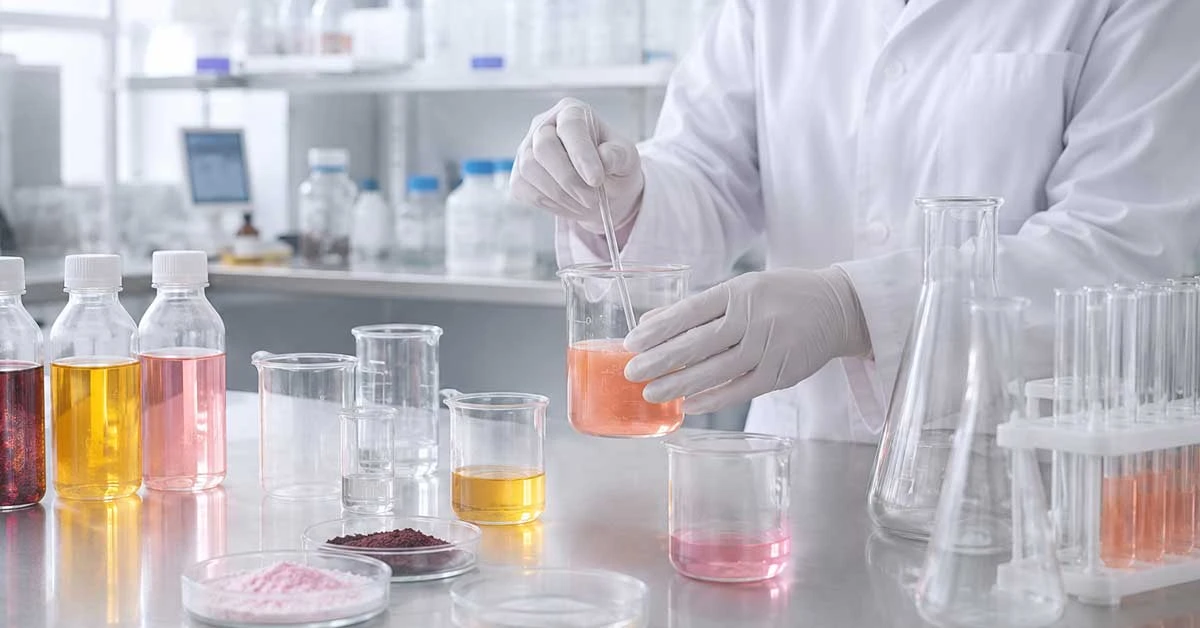
R&D Services
Every deliciously fermented drink owes its inception to solid research and development work. We, as a team, set ourselves apart by producing formulations supported by scientific evidence that are meant to achieve the target flavor, stability, and product quality without forgetting that they have to conform to the standards of commercial production. In our Recipe Formulation Services, our team is with you the entire way from the initial spark of an idea for a beverage through product development to launching it in the market with technical proficiency.
Foodsure offers comprehensive Recipe Formulation Services for fermented beverage development, including:
- Fermented Drinks Formulation and Optimization
- Assisted Selection of Microbial Culture
- Integration of Functional Ingredients
- Flavor Enhancement of Beverages
- Process development
- Evaluation of Ingredient Compatibility
- Stability Studies
- Shelf Life Testing
- Evaluation of Packaged Compatibility
- Pilot Batch Development
- Commercial Scale-Ups
To help companies make successful and profitable commercial products, our scientists and food technologists focus not only on the quality of formulation but also on its scalability and manufacturability. Through our R&D support, we help them take their products from the conceptual to the market-ready stage, including scaling up.
Manufacturing Support
Besides formulation, there are many more stages before a beverage ends up at market. For commercial production, you need manufacturing facilities that run smoothly, stable processes, and a solid team of suppliers that can provide the same level of quality every time. Foodsure is there to help clients ease their way from product development to commercial production.
Our manufacturing support includes:
- Manufacturer identification
- Planning of pilot production
- Commercial manufacturing support
- Optimization of production process
- Guidance for factory setup
- Production workflow recommendations
- Support for quality system implementation
- Manufacturing documents
All these kinds of work are aimed at helping brands to reduce development risks and boost production efficiency.
Regulatory Support
Regulatory compliance is an essential part of commercializing any beverage product. From ingredient evaluation to label verification and documentation, every product must meet the right food safety and regulatory requirements before it hits the market. Foodsure, via Legal4sure, provides end-to-end Regulatory Consulting to help businesses move through these obligations with confidence, in a smoother way.
Our Regulatory Consulting services are:
- Advice on FSSAI compliance
- Label review and checking
- Documentation of the product
- Assessment of ingredients
- Regulatory paperwork assistance
- Instructions on Export Readiness
If the compliance requirements are taken care of right from the beginning of the development phase, businesses can get minimal delay when they are launching products and expanding the market.
Fermented Drinks Categories Foodsure Can Develop
Foodsure develops diverse kinds of fermented beverages; some are:
| Category | Short description | Example SKU 1 (flavor / format) | Example SKU 2 (flavor / format) |
| Probiotic Dairy Drinks | Dairy drinks containing probiotic culture mixes designed for functional beverage markets. | Strawberry-Live Culture Drink / 200 ml glass bottle | Lassi-style Mango Probiotic / 250 ml Tetra Pak |
| Fermented Fruit Drinks | Fruit-flavored drinks produced via fermentation to yield refreshing, complex flavours. | Sparkling Fermented Apple & Ginger / 330 ml can | Fermented Mixed Berry Kvass / 250 ml PET |
| Functional Dairy Shots | Small-format dairy shots fortified with functional ingredients for daily convenience. | Calcium + B12 Yogurt Shot (Vanilla) / 60 ml PET | Protein + Probiotic Kefir Shot (Chocolate) / 50 ml glass |
| Plant-Based Fermented Beverages | Fermented drinks made from plant bases (oat, soy, almond) targeting vegan and health segments. | Oat-Based Probiotic Drink (Cinnamon) / 1 L bottle | Soy Fermented Drink (Ginger-Lime) / 250 ml tetra |
| Fermented Coconut Drink | Light, fruity coconut water–based drinks developed through fermentation for novel profiles. | Fermented Coconut Water & Pineapple / 330 ml can | Coconut-Kefir with Lime & Mint / 300 ml PET |
| Fermented Tea Drink | Brewed tea combined with fermentation to create premium, tangy tea beverages (e.g., kombucha). | Hibiscus Green Kombucha / 500 ml amber bottle | Masala Chai Fermented Tea / 330 ml can |
| Fermented Honey Drinks | Drinks using honey as a fermentable to produce distinctive sweet-savory profiles. | Honey-Fermented Lemonade / 330 ml glass | Ginger-Honey Ferment with Probiotics / 250 ml bottle |
| Pineapple Fermented Drinks | Tropical fermented beverages using pineapple for bright, refreshing flavors. | Pineapple Tepache (Lightly Sparkling) / 330 ml bottle | Pineapple & Cardamom Ferment / 250 ml jar |
| Custom Fermented Beverage Concepts | Tailor-made fermented beverages aligned to brand positioning, audience, and goals. | Bespoke: Regional Spice Kombucha Series / per-project | Bespoke: Low-sugar Synbiotic RTD Line / per-project |
Our team delivers formulas that are not only innovative and of high quality but also can be manufactured and marketed effectively for your needs, whether you target a functional beverage, wellness drink, or both.
Why Foodsure R&D?
Foodsure is a trusted recipe R&D company; we focus on food and beverage innovation. We have a multidisciplinary team that merges food science, beverage technology, formulation knowledge, and commercialization help, so brands can turn product thoughts into beverages that are actually ready for the market.
Our capabilities include :
- Consumer trend analysis
- Scientific beverage formulation
- Fermentation process development
- Functional ingredient selection
- Sensory optimization
- Shelf life testing
- Commercial scale-up support
- Manufacturer sourcing
- Packaging guidance
- FSSAI compliance
- Regulatory consulting
- Commercial launch planning
From the initial concept to manufacturing readiness, Foodsure gives end-to-end assistance meant to cut down development time without losing product quality or regulatory compliance.
Want to formulate a drink? Our beverage specialists offer customized recipe formulation services that help both startups and established brands develop novel fermented beverages with confidence, and with less guesswork along the way.
Fermented Drinks Formulation
Develop high-quality Fermented Drinks with expert formulation support. From ingredient selection and fermentation optimization to flavour balancing, shelf-life testing, regulatory guidance, and commercial production, FoodSure helps bring your beverage idea to market.
🚀 From Lab to Market
Frequently Asked Questions (FAQs)
- What are the examples of fermented drinks?
Some common examples include kombucha, water kefir, cultured dairy beverages, yogurt drinks, fermented fruit beverages, fermented coconut beverages, and traditional grain fermented drinks basically the ones where microbes do the work for a while.
- What is the healthiest fermented drink?
There is not one single healthiest fermented drink, really. Nutrition can change a lot depending on ingredients, the fermentation method, and what the drink is meant for. So the “best” pick varies based on someone’s dietary needs and the specific product formulation.
- What are some popular fermented drinks?
Popular fermented beverages are things like kombucha, kefir, cultured dairy drinks, fermented tea beverages, water kefir, fermented fruit drinks, and also newer plant-based fermented beverages that are getting more attention.
- What can I drink to repair my gut?
A lot of people end up choosing fermented beverages with probiotics inside, or products that are developed for digestive wellness. Still, food choices should match individual health situations, and it’s smart to ask a healthcare professional for guidance that’s actually personalized.
- Is fermented juice safe to drink?
Many people ask, is fermented juice safe to drink? Commercially produced fermented juices can be safe if they are made under controlled conditions, with validated food safety systems, plus quality testing and the regulatory requirements that apply where they’re sold.
- What is a fermented beverage?
Well, a fermented beverage is basically a drink that is produced via controlled fermentation, using selected microorganisms and all that. This process ends up building those pretty special flavours, plus functional traits, but it still keeps the product safe because manufacturing practices are carefully managed, not randomly done.
- How are fermented beverages developed commercially?
Commercial development is more like a sequence of planning steps, starting with scientific formulation, checking ingredient compatibility, then microbial selection, and process validation too. After that, people usually do Shelf Life Testing, packaging evaluation, pilot production, and then make sure everything meets FSSAI Compliance before the product actually hits the market.
- Can startups launch their own fermented beverage brand?
Yes, they can. If they get the right product formulation, find a manufacturing partner, plan regulatory steps properly, and set a solid commercialization strategy, startups can absolutely enter this fast-growing fermented beverage space.
- Why is research and development important for fermented beverages?
Because research and development helps tune the product quality, stability, and flavour, while also improving manufacturing efficiency and making the whole thing scalable for real business. It also makes sure the product is developed through scientifically validated processes before it reaches consumers, not just “tested on the go” type work.
- How does Foodsure help develop fermented beverages?
Foodsure helps with Recipe Formulation Services in a complete way, fermentation process development, support for pilot production, manufacturer sourcing, and Regulatory Consulting too. They also handle FSSAI Compliance, commercialization planning, and provide end-to-end support for businesses aiming to launch innovative Fermented Drinks– you know, the whole journey, start to finish.