The demand for protein-rich breakfast and snack products is growing quickly as people look for healthier options to traditional spreads. Many new food companies are looking into making products like protein peanut butter, nut spreads, and fortified sandwich spreads. But making a successful high protein spread formulation isn’t as easy as just adding protein powder to a recipe you already have. Product developers often have to deal with problems like grainy texture, oil separation, flavour imbalance, and short shelf life. A planned way to protein peanut butter recipe development and protein nut spread formulation is important to make sure that the final product has both nutrition and a smooth, easy-to-eat texture.
The demand for protein-rich breakfast and snack products is growing quickly in India. These days, people want spreads that have both taste and nutritional value, especially protein. But making a high protein spread formulation is not as simple as adding protein powder to peanut butter or nut spreads. Many food brands face issues like grainy texture, oil separation, poor flavor balance, and stability problems during product development. This is where structured protein peanut butter recipe development and fortified sandwich spread development It becomes important to make a spread that works and is ready for the market.
1. Understanding High Protein Spread Formulation
Developing a high protein spread formulation needs to find a balance between three important things:
- Amount of protein
- Texture that can be spread
- Stable flavour
Protein ingredients can change how thick, smooth, and oily spreads are.
Common sources of protein used in protein nut spread formulation include:
- Isolated whey protein
- Concentrate of milk protein
- Protein from peas
- Isolate of soy protein
When mixed with nut bases like peanuts, almonds, or cashews, each ingredient acts differently.
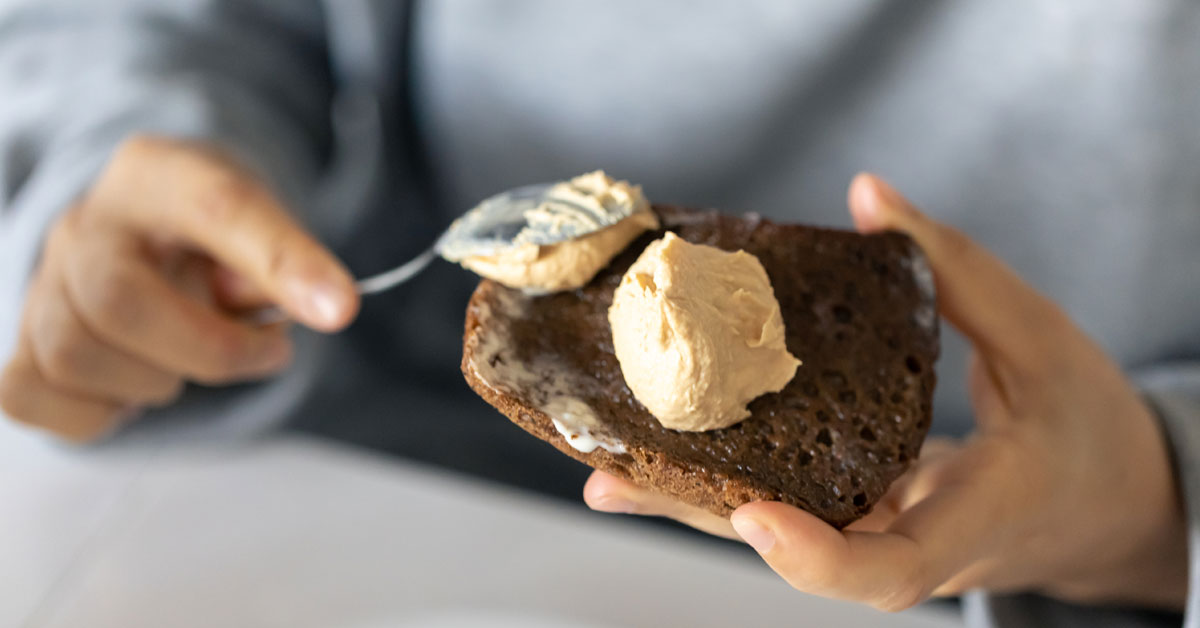
2. Protein Peanut Butter Recipe Development Challenges
Many brands have trouble raising the protein levels in peanut butter when they are working on real product development projects.
Common problems are:
- Mouthfeel that is dry or powdery: High protein levels can soak up natural oils, which makes the spread dry.
- Oil separation while being stored: Protein powders break up the natural fat structure of peanut butter.
- Problems with flavour masking: Plant proteins can sometimes add a beany or bitter taste.
During protein peanut butter recipe development To keep the spread smooth, you need to make changes to the formulation, like adding emulsifiers, balancing the fat, and controlling the grinding.
3. Fortified Sandwich Spread Development
In addition to peanut butter, brands are also coming up with ideas for fortified sandwich spreads to make breakfast healthier.
For example:
- Almond spreads with a lot of protein
- Savoury spreads for protein sandwiches
- Spreads with protein and hazelnuts
These products are for people who want sweet spreads that are high in protein instead of regular ones.
But these formulas need careful work on:
- Protein spreading
- Stabilisation of fat
- Masking flavours
- Stability on the shelf
Ingredient Selection for Protein Nut Spread Formulation
Choosing the right ingredients is very important in protein nut spread formulation.
Some important parts of a formulation are:
Nut Base
- Peanut paste
- Almond paste
- Cashew paste
- Hazelnut paste
Protein Sources
- Whey protein isolate
- Pea protein
- Soy protein isolate
- Milk protein concentrate
Functional Ingredients
- Lecithin (emulsification)
- Stabilizers
- Natural sweeteners
- Flavor systems
A balanced mix of ingredients helps make a healthy protein spread recipe that stays stable while being stored.
Texture & Stability in Healthy Protein Spread Recipes
One of the hardest parts of making a healthy protein spread recipe.
Too thick spreads can be
- made with protein.
- Gritty
- Hard to spread
Controlling particle size and mixing order greatly improves the quality of the final product in many R&D tests.
Some important changes to the formulation may be:
- Grinding nuts in a controlled way
- Slowly adding protein
- Balancing the fat phase
- Using emulsifiers
These steps help keep a smooth, spreadable consistency while getting more protein.
Shelf-Life Considerations
Shelf stability is very important for commercial spreads.
During high protein spread formulation, Developers need to think about:
- Separation of oil during storage
- Protein settling
- Oxidation of flavour
- Controlling the activity of water
Spreads that aren’t made correctly often show visible oil layers after a few weeks, which changes how people see and accept products.
Market Opportunity for High Protein Spreads
The market for protein foods around the world is growing quickly and protein spreads are becoming a growing category.
Some of the things that drive this demand are:
- People who care about fitness
- Trends in healthy breakfasts
- Need for high-protein snacks
- New ideas for functional food
Brands that are starting protein nut spreads and fortified sandwich spreads can put their products in:
- Nutrition for fitness
- Breakfast foods that are good for you
- Categories of functional snacks
This means high protein spread manufacturing formulation India is a new chance for food brands.
Practical Takeaways for Food Brands
When making a protein spread, think about these things:
- Do not increase protein levels without texture optimization
- Select protein sources based on flavor compatibility
- Stabilize the fat matrix to prevent oil separation
- Conduct pilot trials before scaling manufacturing
A structured protein spread product development guide helps brands avoid having to change their products later, which costs a lot of money.
Conclusion
Developing a successful high protein spread formulation requires more than simply adding protein to nut-based spreads. Factors like texture balance, flavor stability, and oil binding play a crucial role in creating a smooth and consumer-friendly product. With the right approach to protein peanut butter recipe development and protein nut spread formulation, Foodsure helps food brands build stable, high-protein spreads that meet the growing demand for healthier snack and breakfast options.
If you’re planning to develop protein nut spreads, fortified sandwich spreads, or protein peanut butter, structured formulation and pilot trials can help ensure stable texture and commercial scalability.
Complete Process For Developing High Protein Spreads for Food Startups
Partner with Foodsure for R&D, formulation expertise, ingredient selection, texture optimisation, and launch-ready high protein spread innovation.
FAQs
1.What is the process of making high-protein spreads?
It is the process of making nut or sandwich spreads that are high in protein while keeping their texture, taste, and stability.
2.What kinds of proteins are in protein peanut butter?
Some common choices are whey protein isolate, pea protein, soy protein isolate, and milk protein concentrate.
3.Why does peanut butter with protein get dry?
Protein powders soak up oil, which can make things less smooth and easy to spread.
4.What keeps protein spreads from breaking down?
By using emulsifiers, balancing fats, and mixing ingredients in a controlled way.