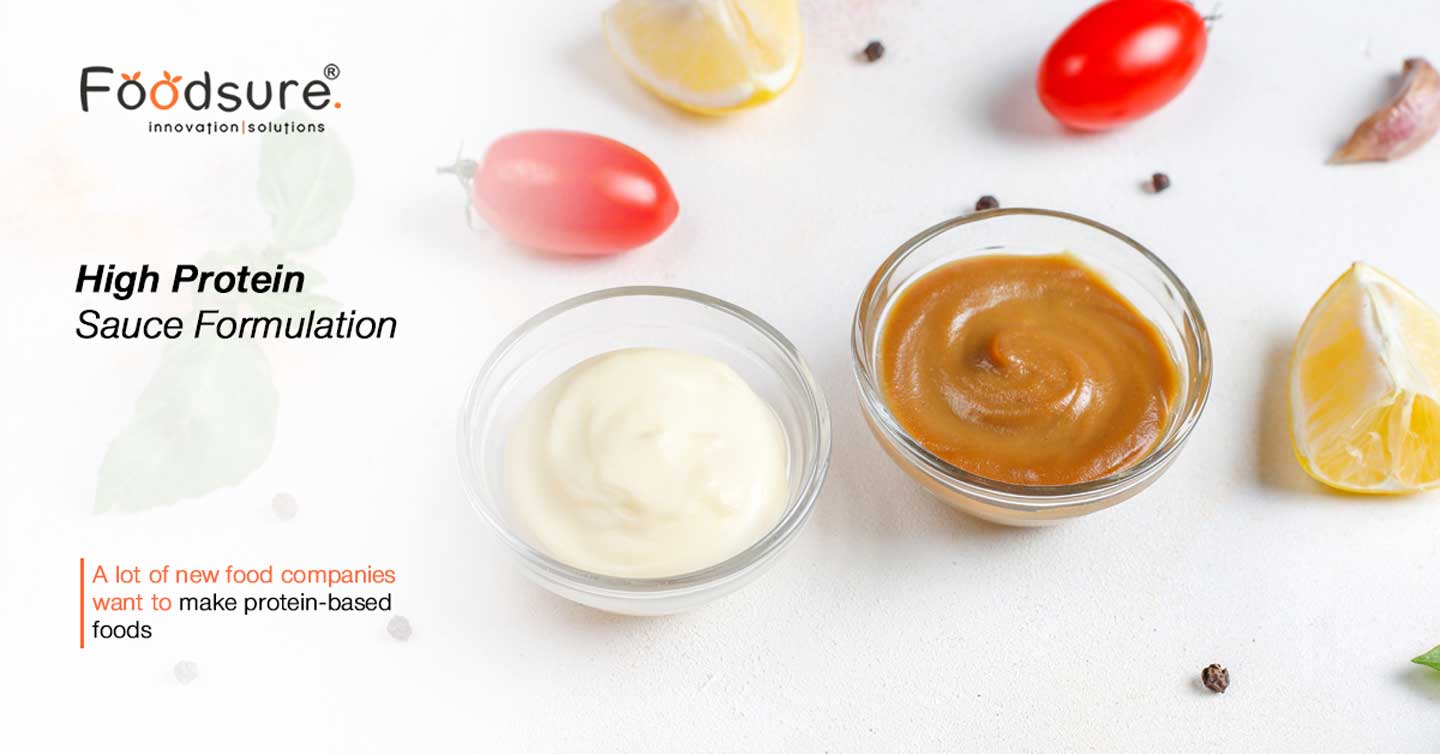
A lot of new food companies want to make protein-based foods, but when they think of new protein ideas, they often forget about sauces and other toppings. There isn’t much protein in most sauces, like mayonnaise, ketchup, and dips. They do have a lot of sugar, fat, and stabilisers, though. This is a big problem for brands that want to reach people who care about their health, work out, or play sports. To make a high protein sauce, you need to find the right balance between taste, texture, protein, and shelf life. Using the wrong formulation strategy can make protein cause problems like a grainy texture, phase separation, or bad flavour masking.
High-Protein Sauce Formulation
People want more than just shakes and bars that are high in protein and functional foods. People expect the food they eat every day to be healthy.
People use condiments every day with:
- Sandwiches
- Wraps and burgers
- Salads and bowls
- Food to make meals at the gym
High protein sauce helps brands make products that are good for modern diets and are worth the money.
Some new product ideas are the following:
- Sauce for burgers with a lot of protein
- Ranch dressing with protein
- Protein cheese dip for snacks
- High protein sauce for a low-calorie gym diet
This change has pushed food companies toward protein-enriched condiment formulation, where high protein sauce give you both flavour and nutrition.
Fortified Sauce Recipe Development
Choosing the right protein source for your high-protein sauce is the most important thing to do. The ingredient needs to dissolve easily and feel smooth in the mouth.
Some common protein sources are:1. Isolate Whey Protein
Whey isolate has a lot of protein and dissolves easily. It tastes good in creamy sauces, but you have to hide the taste.
It gives high protein sauce that taste like cheese a lot of dairy flavour.
- Isolate of pea protein


A popular choice for plants. But it might need more stabilisers to keep it from feeling like chalk.
- Isolate Soy Protein
It is often used in condiments because it can mix things together.
- Peptides of collagen
They are often used in functional sauces because they dissolve easily and don’t change the taste too much.
Protein Enriched Condiments Formulation
Proteins don’t work the same way as other sauce ingredients. If you add it wrong, it can mess up the formulation in a lot of ways.
Some problems that often come up when making healthy sauce products are:
- Mouthfeel that is rough or sandy
- Separation of phases in emulsified sauces
- Too much thickness or gel formation
- Heat that isn’t stable during pasteurisation
You need to find a good balance between protein and emulsifiers and stabilisers.
Some common ingredients that help keep things stable are:
- Gum from xanthan
- Starch that has been changed
- Lecithin
- Guar gum
These parts help keep smooth consistency and long shelf life.
Healthy Sauce Product Development
Protein-rich foods can taste bad, like chalky or bitter. This happens a lot with proteins from plants.
When making a successful gym diet sauce, you need to carefully balance it with other flavours.
Some common ways are the following:
- Using natural acids like vinegar or lemon to make the taste even
- Adding a bit of sugar to fix the flavour
Taste design is very important because people expect sauces to taste good, not just functional.
Gym Diet Sauce Formulation
More and more fitness companies are looking into how to make gym diet sauce to go with high-protein meal plans.
You usually make these sauces to go with:
- Grilled chicken meals
- Wraps with protein
- Rice bowls
- Salad-based meals
The formulation approach usually looks at:
- A moderate amount of protein
- Not as much sugar
- Controlled calorie density
- Strong flavour profiles
When made correctly, gym sauces can help people stick to their diets without giving up flavour.
Case Insight from Product Development
The first prototype of a protein sauce for a fitness-focused food brand had a big problem with its texture. The sauce was made with pea protein isolate, but after pasteurisation, it got thick and a little gritty.
The problem was not enough water and protein interacting with stabilisers.
The formulation team made changes after several pilot tests:
- The process of hydrating protein
- Combination of stabilisers
- How strong the homogenisation is
These kinds of problems happen a lot in protein sauce product development India, especially when going from lab samples to mass production.
Cost Considerations in Protein Condiment Development
Compared to traditional sauces, protein ingredients make the cost of making high protein sauces much higher.
Things that have an effect on high protein condiment formulation cost include:
- What kind of protein ingredient was used
- Percentage of protein in the target
- System for stabilisers and emulsifiers
For new businesses, it is important to find balanced nutrition claims with cost feasibility so that the final product can still compete in the market.

Key Takeaways for Food Startups
Startups planning healthy sauce product development should keep a few useful things in mind.
- Pick protein ingredients that fit the idea behind the product.
- Pay as much attention to taste and texture as you do to nutrition.
- Do a lot of pilot tests before you decide on the final formulation.
A strong research and development process can help avoid expensive reformulation later.
Conclusion
Protein innovation is quickly making its way into common foods, and sauces are a great chance to make functional products. But to make a stable and tasty high-protein sauce, you need to carefully choose the ingredients, design the flavour, and keep an eye on the processing. Expert formulation help can make the process of making a high-protein sauce or functional condiment easier, from choosing the right ingredients to testing the stability and scaling up with Foodsure.
FAQs
1.What does a high-protein sauce look like?
Adding functional protein ingredients to sauces while keeping their smooth texture, taste, and shelf life is what makes a high protein sauce.
2.What proteins are often used to make protein-rich condiments?
Whey protein isolate, pea protein isolate, soy protein isolate, and milk protein concentrate are some of the most common proteins used in high protein sauces.
3.What problems come up when making recipes for fortified sauces?
Some common problems are grainy texture, protein sedimentation, flavour masking, and keeping the emulsion stable.
4.Can you use sauces with a lot of protein in them for meals at the gym?
Yes, gym diet sauce is made to add protein and flavour to meals like salads, wraps, grilled chicken, and meals that you make ahead of time.
5.What things affect the cost of developing protein sauce products in India?
The total cost of development is affected by things like choosing ingredients, the percentage of protein, stabiliser systems, processing needs, and shelf-life testing.