
Launching a ₹99 MRP energy drink in India requires balancing manufacturing costs, distributor margins, and retail profitability while keeping the product affordable for consumers. Entering the beverage market in India is no longer limited to big FMCG companies. Today many startups want to launch ₹99 MRP energy drink India because the price point fits perfectly with the country’s price-sensitive consumers.
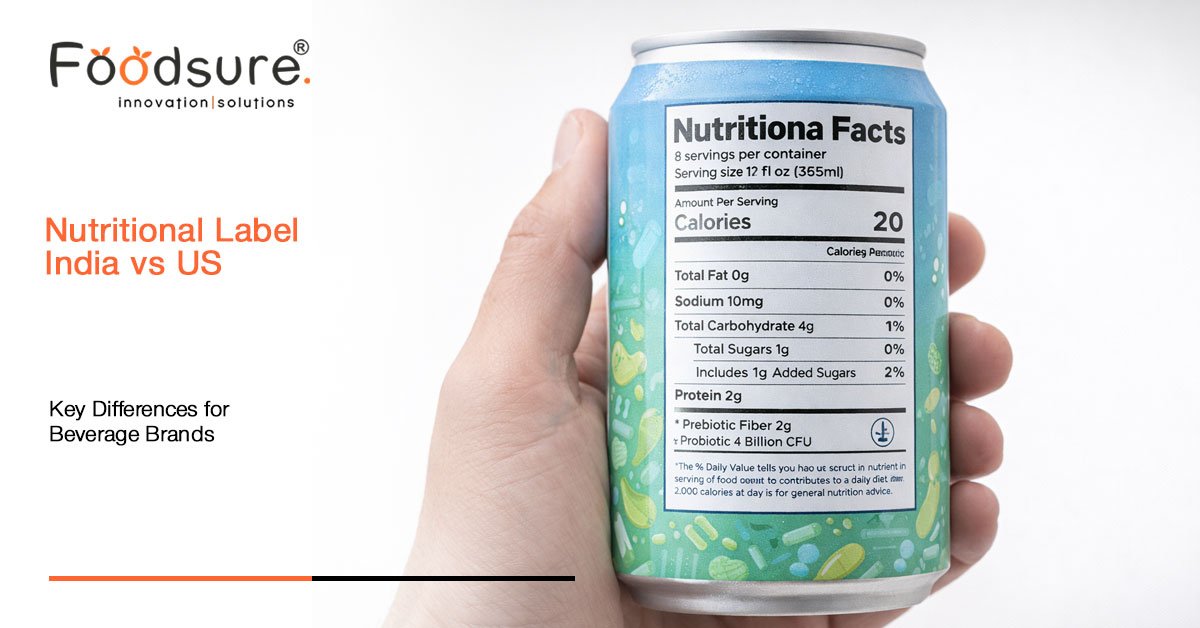
Imagine launching your beverage brand in India and suddenly getting export orders from the US. Exciting, right? But when your product reaches customs, the label gets rejected — not because of product quality, but because the nutrition panel format doesn’t match US regulations. Many founders discover too late that beverage nutrition label India vs US standards are very different. If
The health industry is changing very rapidly. The packaged food industry is growing at a CAGR of 8.5%. Overlooking major FSSAI mistakes, food startup redefined what a launch means. To remain relevant in the market, one has to understand what the law requires. Achieving success requires one to have the right paperwork and the right ingredients in the food. Let’s
Consumers across the world are searching for drinks that meet their religious, ethical and clean-label standards. As a result, there is an increasing number of people who want to buy Halal energy drinks and this demand is growing rapidly. For beverage entrepreneurs in India, acquiring halal certification for their energy drinks is not only about meeting religious requirements but also
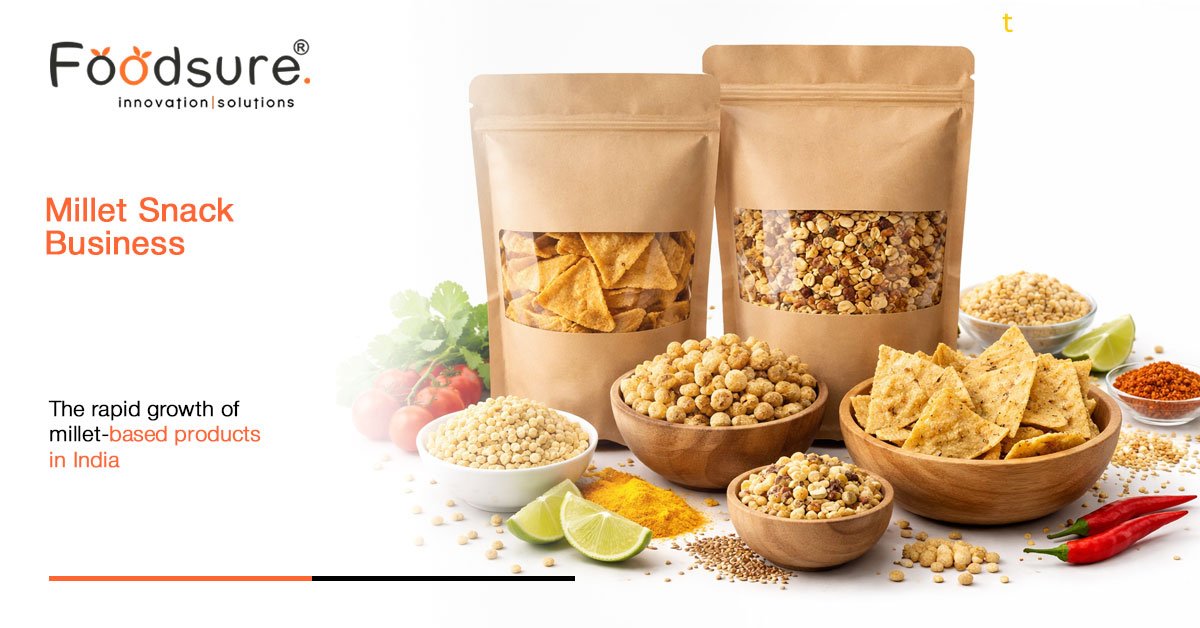
The rapid growth of millet-based products in India is due to the growing demand for healthy and sustainable food. As the government promotes millets and people move toward healthier lifestyles, starting a millet snack business has turned into a very promising chance. FoodSure gives you a useful, step-by-step guide to help you get into this growing market with confidence and
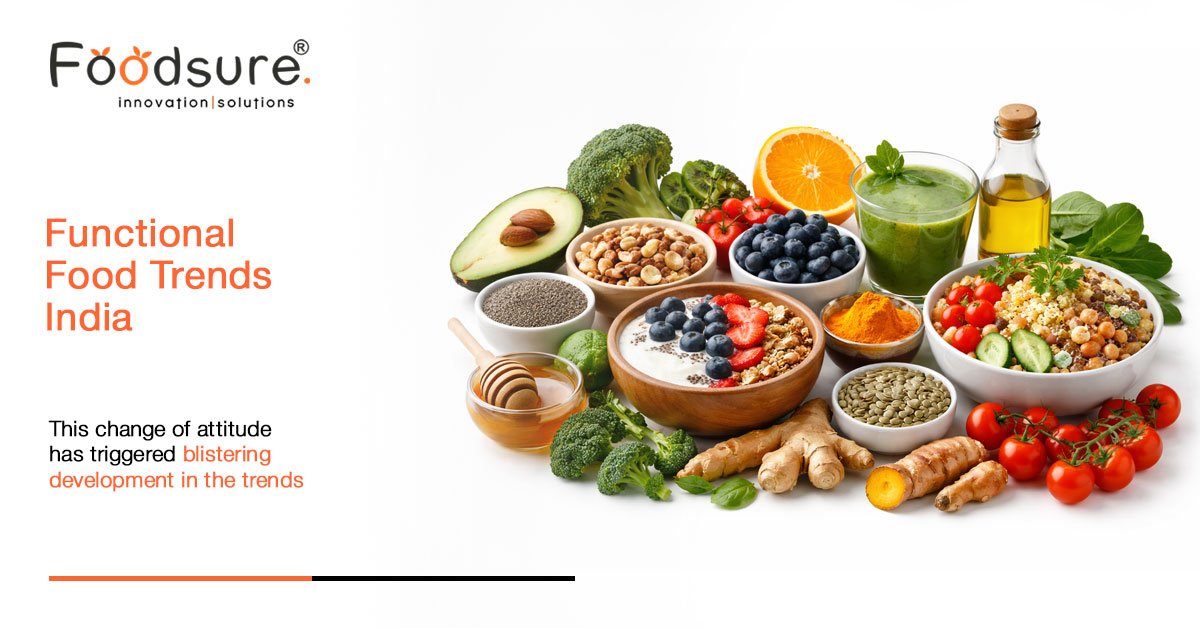
Today’s consumers think about food differently than a decade ago. They don’t simply eat to be full, but they question whether their meals are immunogenic, digestive, energizing and healthy over the long-term. This change of attitude has triggered blistering development in the functional food trends in India where items are supplemented with more health advantages than simple nutrition. This shift

The health and wellness industry in India is growing quickly because more people are learning about fitness, immunity, and how to stay healthy. Because of this rise, there is a strong need for Health Supplement Manufacturing and food product development. This makes it a great place for both new and well-known brands. But it can be hard and expensive to
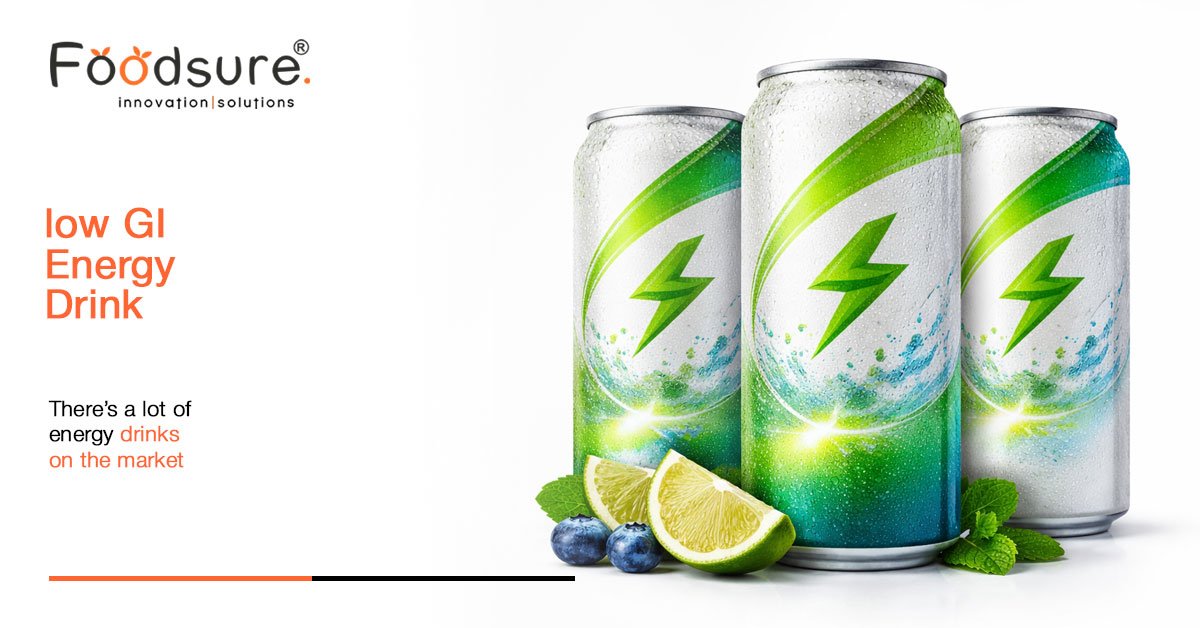
There are a lot of energy drinks on the market these days, and a good majority of them are filled with sugar. And, for millions of consumers who are monitoring their blood sugar levels, energy drinks containing high levels of glucose may not be an option at all. This will continue to increase the need for Low GI Energy Drink
Founders believe that making electrolyte drinks requires nothing more than mixing salts into flavoured water. Customers who try the product will not purchase it again because they experience inadequate hydration or they find the taste unacceptable. The failure rates of sports drinks and hydration products remain elevated despite their increasing market demand. The main problem exists because most products fail
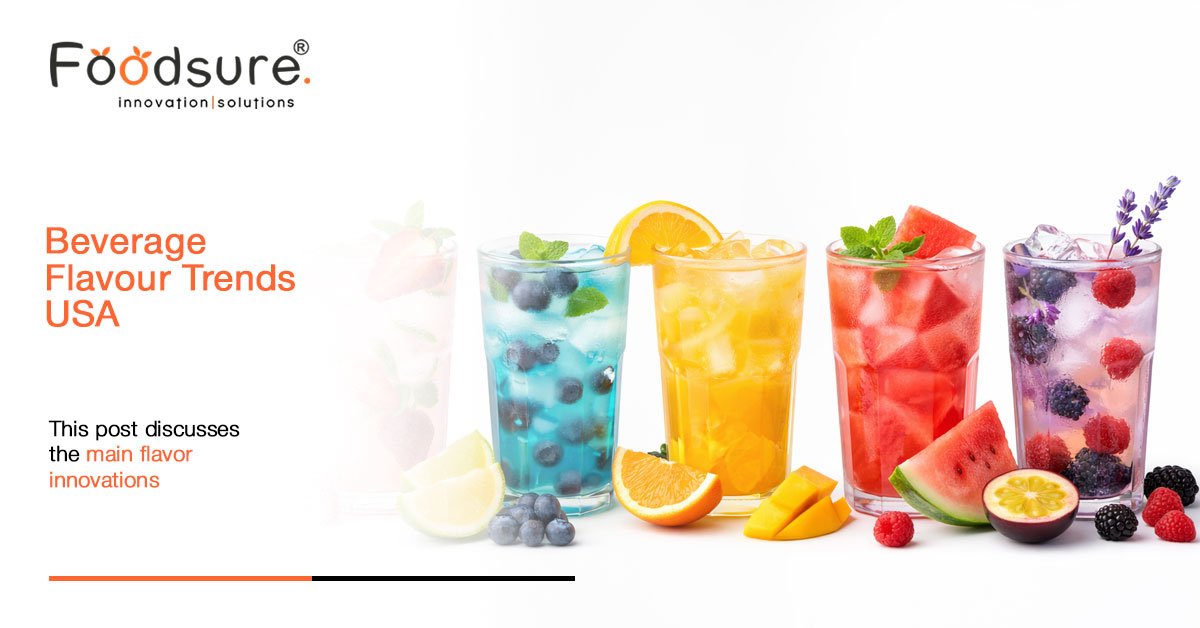
Across the United States, the main push behind innovation in beverages is taste experimentation. People have moved beyond just sticking with the traditional soda and fruit flavors; they are now discovering the weirdest combinations that not only deliver a good flavor but also an entire experience. So, companies are on the hunt for beverage flavor trends USA to identify the